

















Yes — hemp takes dye well, especially fibre-reactive and natural dyes, because the cellulose fibre is highly absorbent. The catch is that hemp arrives with its own natural grey-beige tone and a lignin content that makes very pale colours hard to hit. Here is what that means if you are buying dyed hemp, and how to dye it at home if you want to change the colour of a piece you already own.
How hemp takes dye
Hemp, like linen and cotton, is a cellulose fibre, and cellulose is the easiest natural fibre to dye. The hollow core and porous wall of the hemp fibre pull water — and anything dissolved in it — deep into the fibre, so colour goes in rather than sitting on the surface. This is why a well-dyed hemp garment fades slowly and evenly instead of paling in patches.
Two things make hemp behave a little differently from cotton. First, the fibre is never white: raw hemp carries a natural flaxen grey, so pale shades such as baby blue or blush pink need proper pre-treatment to read true. Second, hemp contains lignin, the same natural binder that makes the fibre stiff at first. Lignin is slightly water-repellent, which is why dye baths for hemp run longer and warmer than for cotton to achieve the same depth.
Which dyes work, and which do not
Not all dyes are equal on hemp. The short version:
Quick guide
What each dye does on hemp
Best choice
Fibre-reactive dye
Bonds chemically; wash-fast, colour stays true
Traditional
Natural dyes
Indigo, madder, pomegranate — need a mordant
Convenience
All-purpose dye
Works, but fades fastest on hemp
Avoid
Disperse dye
Made for polyester; barely grips cellulose
Fibre-reactive dyes — the kind sold for cotton and linen — are the right tool. They form an actual chemical bond with the cellulose, so the colour survives washing. Natural dyes have history on their side: hemp and indigo have been dyed together for centuries, and an indigo-dyed hemp fabric only deepens in character with age. All-purpose dyes from the supermarket will colour hemp, but expect faster fading, particularly in dark shades.
Dyeing hemp at home, step by step
If you are re-colouring a hemp shirt or a pair of trousers at home, the sequence matters more than the dye. Follow it in order:
- Scour first. Wash the garment hot with a little detergent to strip finishes and softener residue. Anything left on the fibre shows up as a pale patch.
- Wet out completely. Soak the garment in warm water until it is saturated through. Dry patches reject dye unevenly.
- Dissolve the dye fully. Fibre-reactive powder needs to be dissolved in warm water before it meets the fabric; granules give speckles.
- Keep it moving. Agitate the bath steadily for 30–45 minutes. Motion is what stops streaks.
- Rinse cold, then warm. Rinse until the water runs clear, then wash once alone before the garment meets the rest of your laundry.
Blends change the maths. A piece dyed as a blend of hemp and bamboo or cotton behaves like hemp for our purposes; a blend containing polyester will take the dye on its natural fibres only, and the polyester content stays pale. Check the composition label first — our guide to washing hemp clothing explains how to read care labels on hemp.
Fading, sunlight and Indian washing conditions
Hemp holds dye well but is not immune to sunlight. Dried repeatedly in strong direct sun, a dyed hemp garment pales fastest on the shoulders and sleeves — the classic faded-shirt pattern. In India, where line-drying is the norm, dry dyed hemp inside out and in shade, and it will hold its colour for years. Wash darks separately for the first few cycles, cold, inside out. Done this way, fibre-reactive colour on hemp outlasts the garment's softening curve — the fabric will get noticeably softer long before it gets noticeably paler.
How Monture dyes its hemp
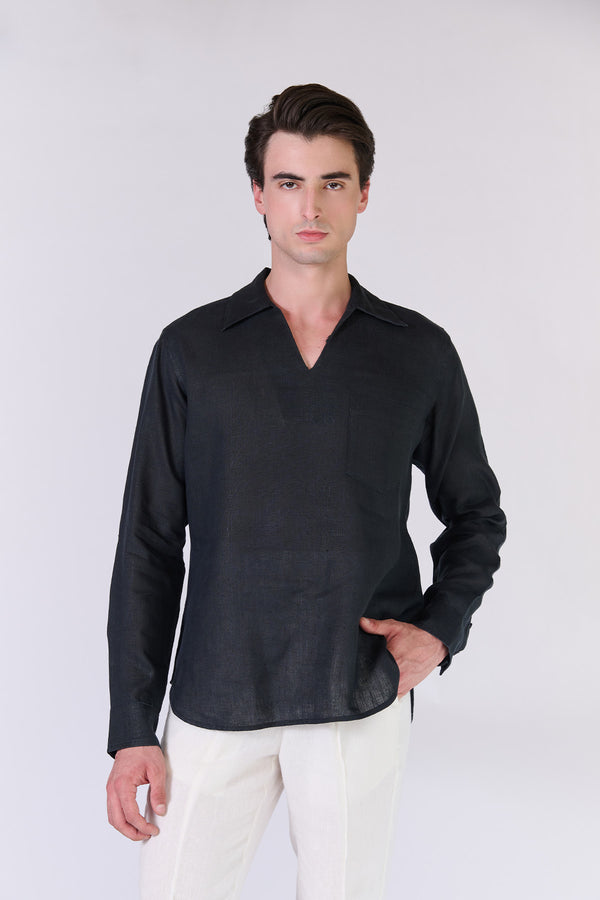
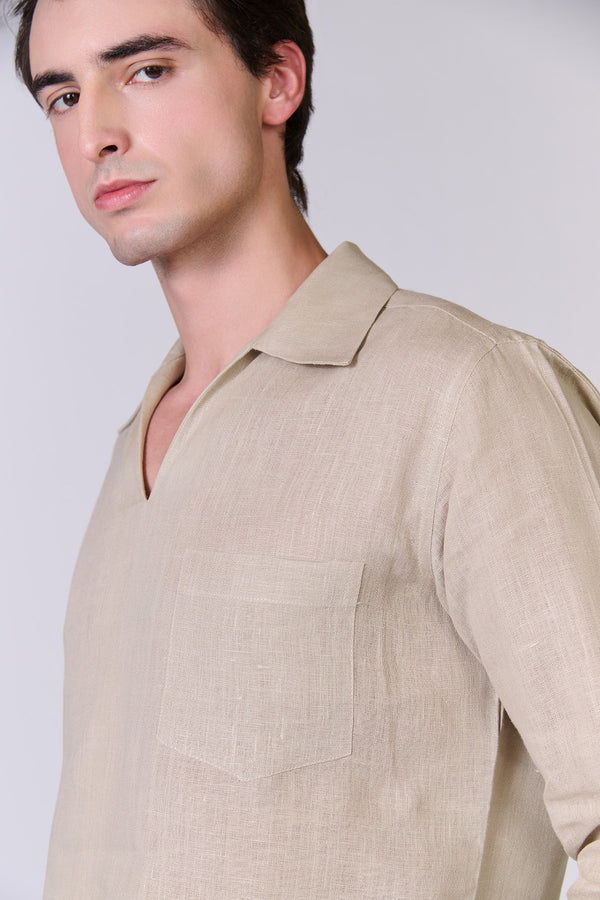
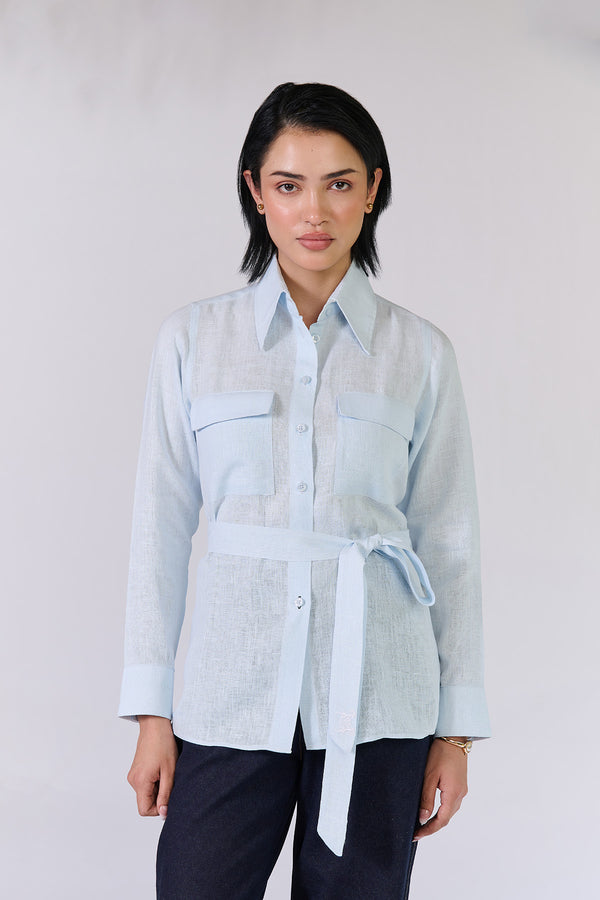
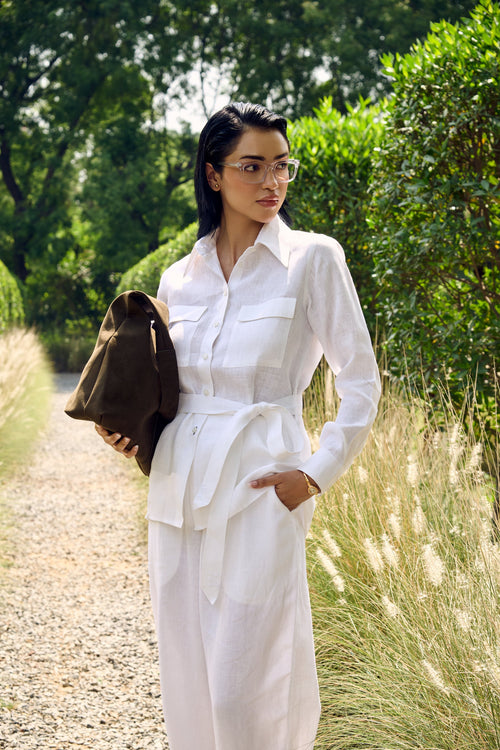
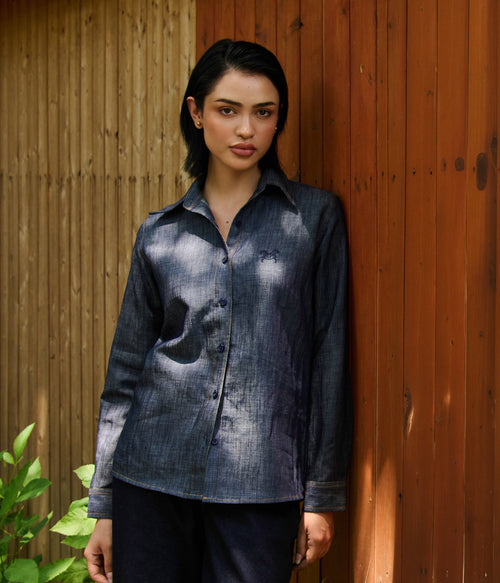
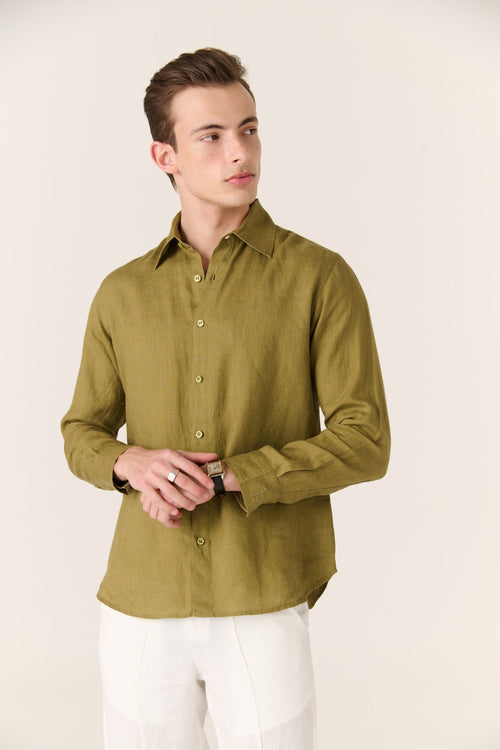
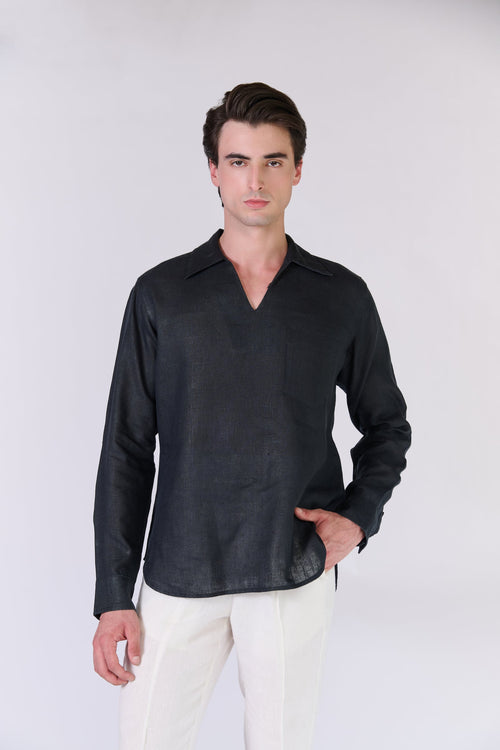
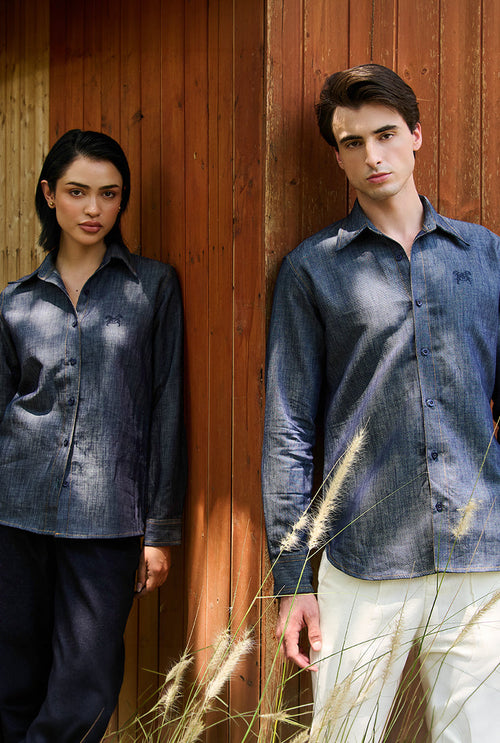
We dye hemp fabric at the mill with low-impact, fibre-reactive dyes before the garment is cut, which is why the colour reaches the core of every yarn and stays even through years of washing. Our hemp palette runs in the fibre's natural direction: Black and Warm Khaki for men, Baby Blue for women. The full range lives in our hemp collection, and more on why we chose this fibre is on the materials of Monture.

Deep, mill-dyed colour
Hemp Shirt - Men, Black
100% pure hemp, mill-dyed black in a relaxed V-neck. ₹7,950
Shop the shirt →
Closest to the raw fibre
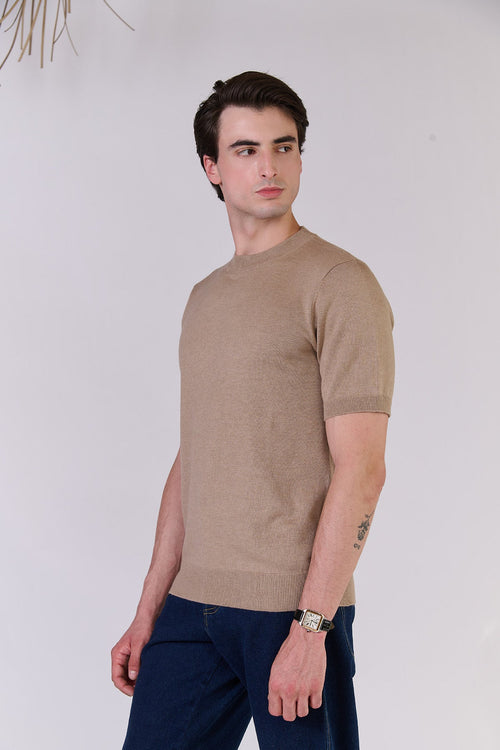
Hemp Shirt - Men, Warm Khaki
Warm Khaki sits near hemp's natural tone, softened by enzyme finishing. ₹7,950
Shop the shirt →FAQ
Can I dye a hemp shirt with Rit dye?
It will take colour, but all-purpose dyes fade fastest on hemp. A fibre-reactive dye made for cotton and linen gives a deeper, more wash-fast result.
Why does hemp not dye as white as cotton?
The fibre is naturally grey-beige and carries lignin. Hitting pale, bright shades on hemp needs heavier bleaching, which weakens the fibre.
Does indigo work on hemp?
Beautifully — hemp and indigo have been dyed together for centuries, and the colour deepens in character as the fabric softens.
Will dyeing weaken hemp fabric?
Fibre-reactive and natural dyes do not weaken the fibre. Only repeated harsh bleaching does, which is why we do not chase pure white in hemp.