




Short answer: yes — hemp is one of the most skin-friendly fabrics you can wear. It is breathable, naturally resists bacteria, and softens with every wash. The caveats sit in the weave, the dye and the fit, not in the fibre itself.
A sensitive-skin wardrobe lives or dies on fabric choice. Rough seams, trapped heat and sweat-soaked synthetics turn an ordinary day into an itchy one. Hemp answers most of that at the fibre level — but the fabric you actually buy depends on how it was woven, finished and dyed. This guide covers what helps, what to check before you buy, and how to care for hemp so it stays gentle wash after wash.
Why Fabric Choice Matters for Sensitive Skin
Sensitive skin reacts to friction, moisture and residue faster than comfortable skin does. A fabric that holds sweat against the body keeps the surface damp for hours, and damp skin is where irritation starts. Loosely spun or scratchy fibres add physical rubbing on top of the moisture. The result is a familiar cycle: redness by evening, flaking by the third day.
That is why breathable, absorbent natural fibres dominate every serious sensitive-skin list. They move moisture off the skin, they wash clean more easily, and they do not depend on chemical softeners to feel acceptable next to the body. Hemp sits near the top of that list, with a few practical caveats we cover below.
What Makes Hemp Gentle on Skin
Hemp comes from the long bast fibres of the Cannabis Sativa plant — the same fibre Monture weaves into its pure hemp shirts. Five properties matter for skin:
- Breathability: the structure of the fibre lets air circulate, so heat and moisture escape instead of pooling against the body.
- Moisture management: hemp absorbs and releases water quickly, so the fabric dries faster than cotton of the same weight.
- Antibacterial character: hemp resists bacterial growth naturally, which limits the odour-and-irritation cycle that sweaty fabrics feed.
- UV resistance: the fibre shields more ultraviolet light than most naturals, useful for long Indian afternoons outdoors.
- Longevity: the fabric softens with washing instead of pilling into a rough surface.
Together these mean less trapped sweat, less bacterial build-up and less surface friction — the three triggers behind most fabric-related irritation. The texture is the one honest trade-off: early wears feel crisp and slightly firm, closer to a new linen shirt than to jersey.
Hemp vs Cotton for Sensitive Skin
Most sensitive-skin wardrobes default to cotton, so that is the fair comparison. Both are plant fibres, both breathe, and both are safe bets. The difference shows up on humid days and after months of washing:
If your irritation flares with heat and sweat, hemp has the edge. If your skin reacts to anything crisp, start with cotton or a softened hemp and let the fabric break in over a few weeks.
Hemp vs Linen and Lyocell (TENCEL™)
Two fabrics sit beside hemp in the same conversation. Linen shares hemp's breathability and crisp first wear, and it softens along the same trajectory, which makes it the closest sibling in feel. Lyocell (TENCEL™) sits at the opposite end — engineered to be silky and cool, with the smoothest surface of the three and a common first pick for reactive skin. On day one, a practical order of softness runs Lyocell (TENCEL™), then cotton, then linen and hemp, which arrive crisper and settle over weeks of wear and washing.
What to Check Before You Buy
The fibre gets you most of the way. The remaining risk lives in construction and chemistry:
Quick guide
Four checks for reactive skin
Label
Pure hemp or high-share blends
Know the other fibres
Weave
Tight and even
Less surface friction
Dyes
Reactive, azo-free
Wash new pieces once
Seams
Flat or covered
Especially collar and cuffs
Monture's hemp pieces are woven tight and finished clean, which is why the surface reads smooth rather than rope-like on the first wear.
Monture Picks for Sensitive Skin
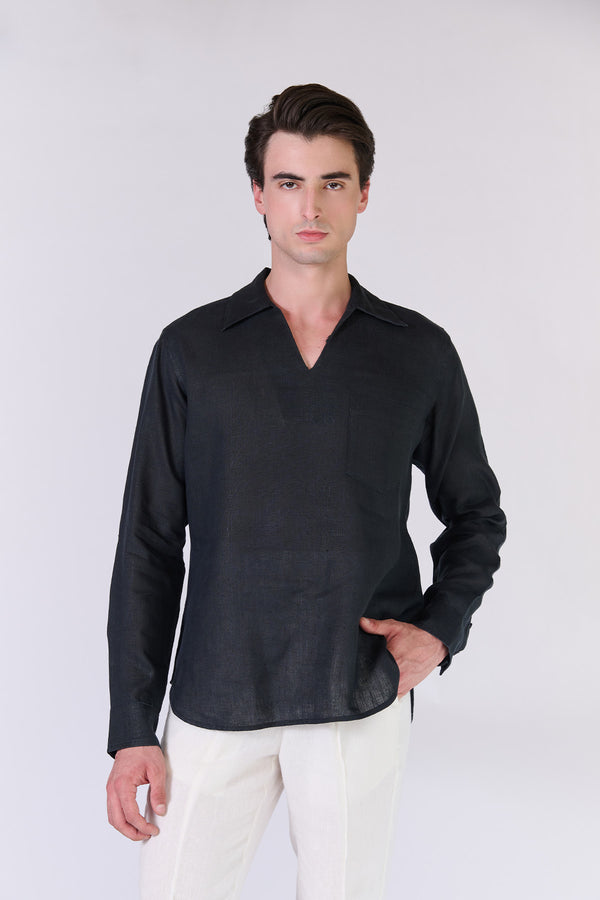
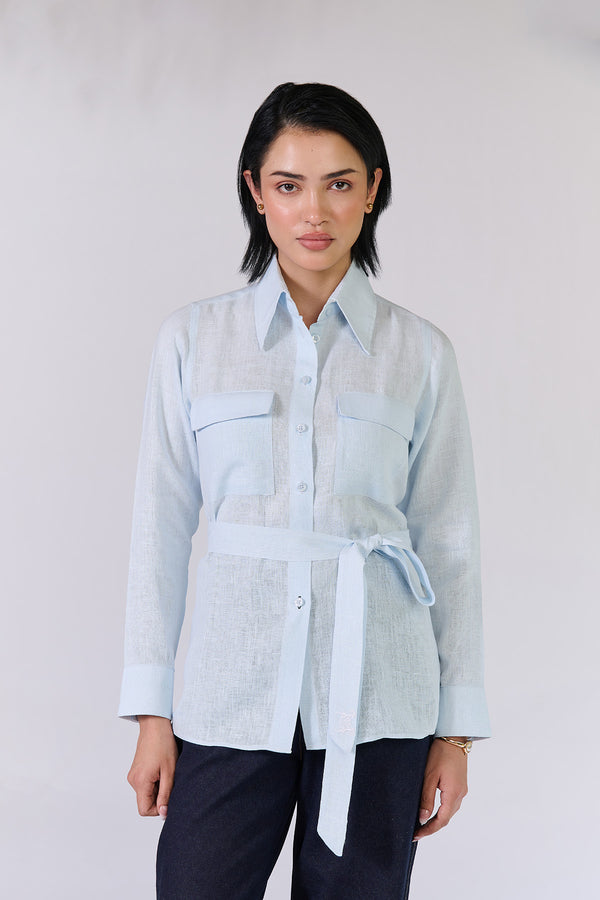
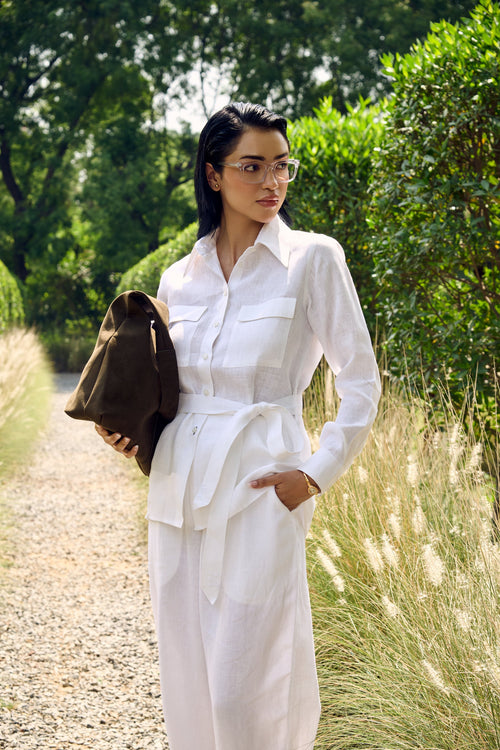
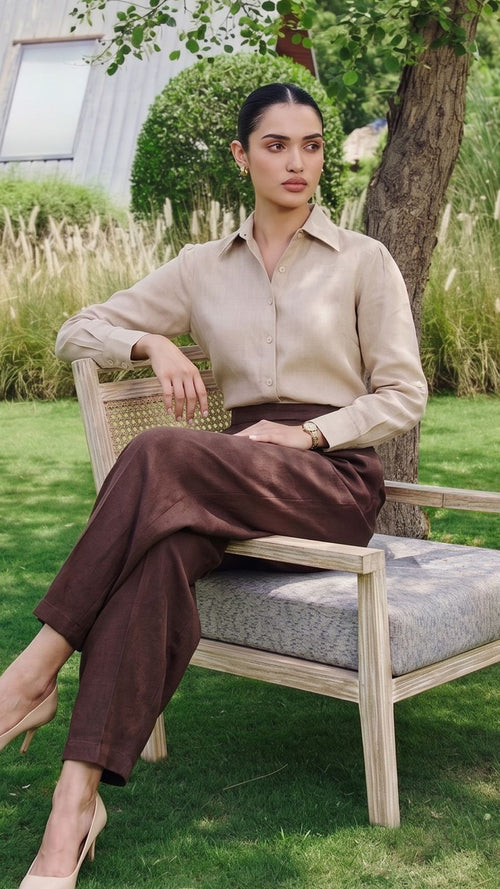
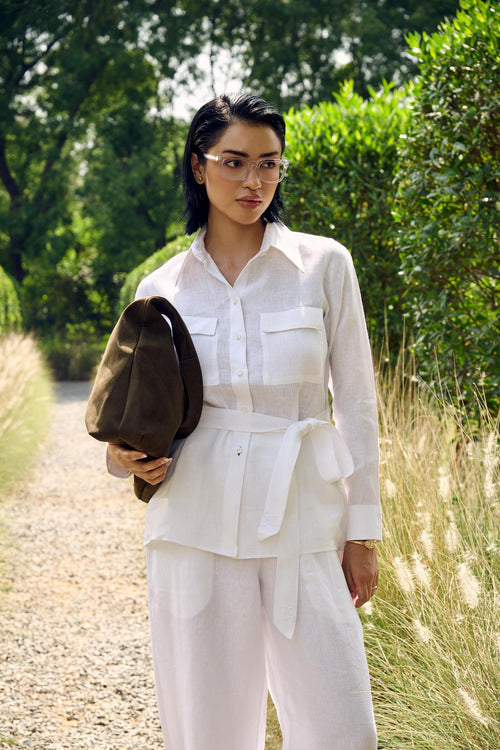
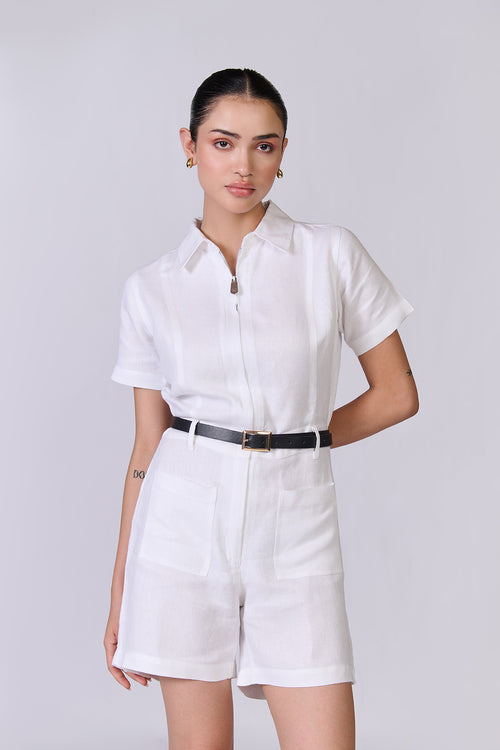
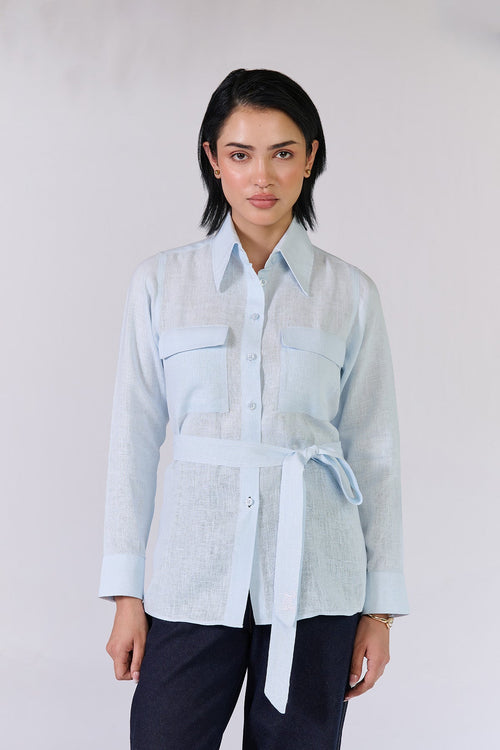
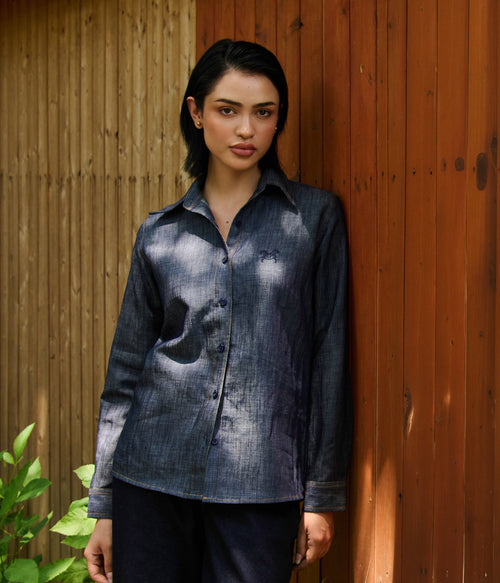
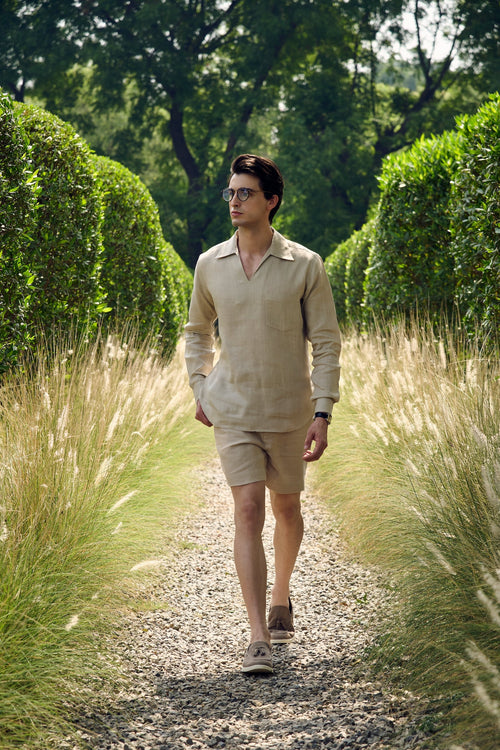
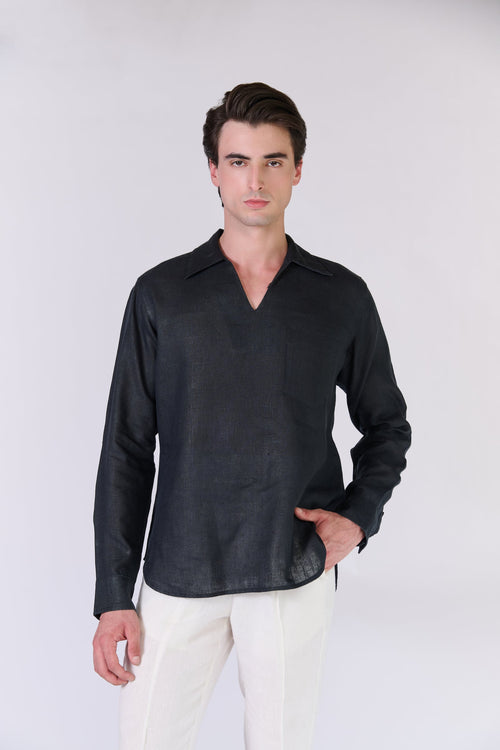
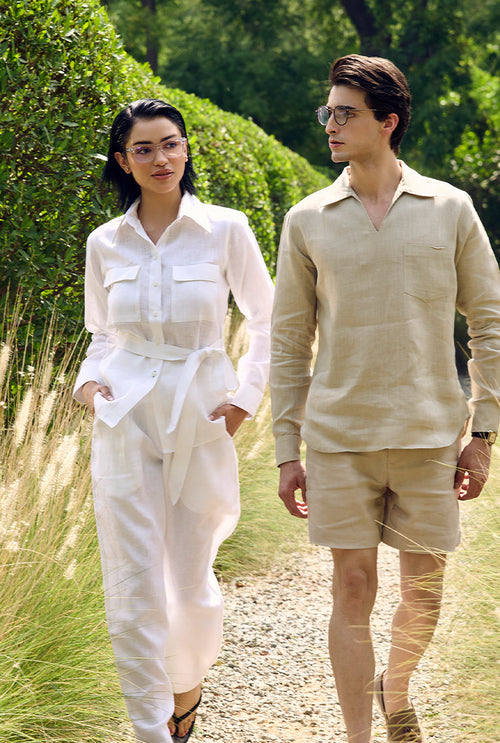
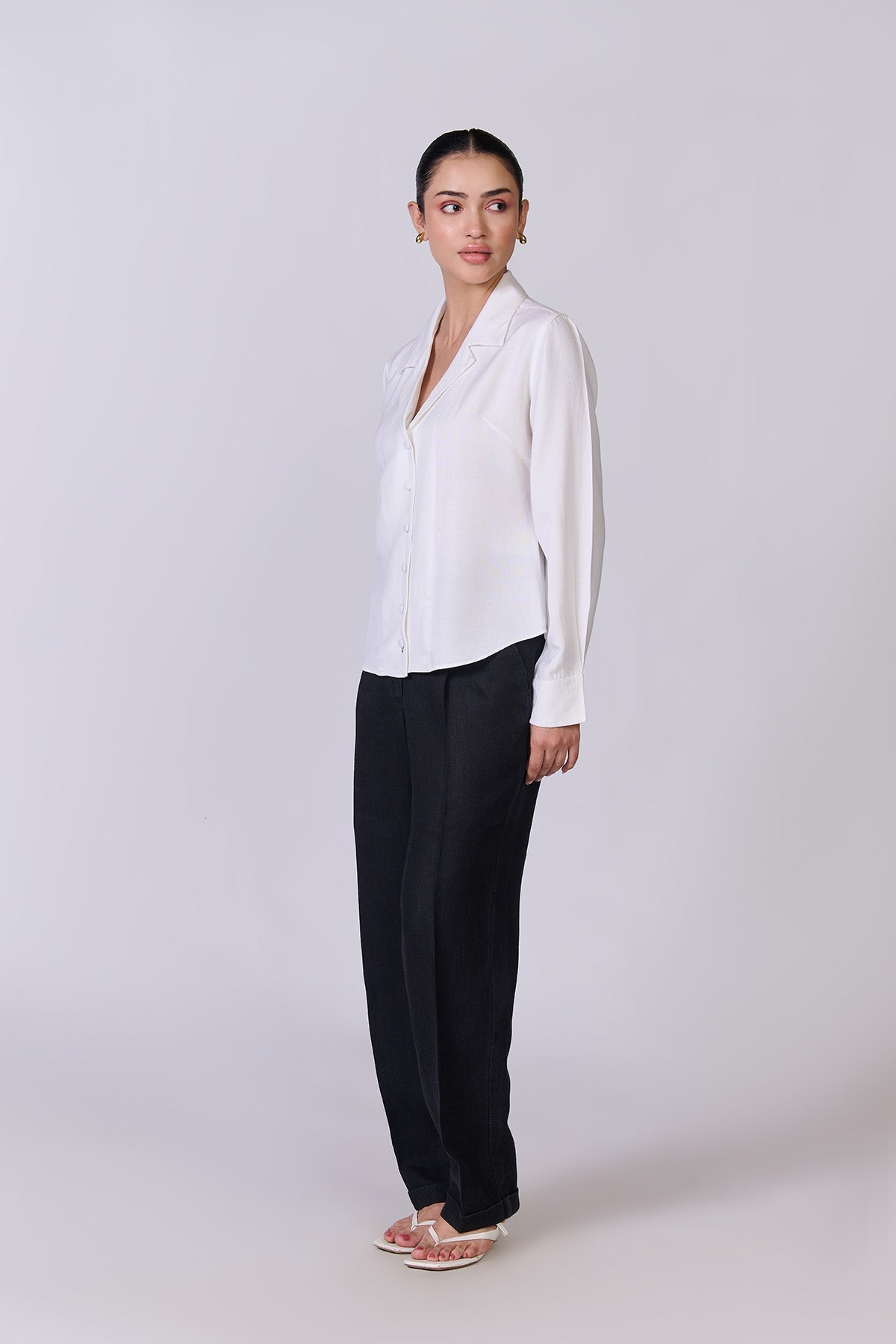
Three pieces cover both wardrobes. For men, the Hemp Shirt is cut from pure hemp with a relaxed V-neck — see the full range in men's hemp or our whole hemp collection. For women, the Belted Hemp Shirt carries the same fibre into a structured silhouette.

Men · pure hemp
Hemp Shirt, Black
Pure hemp, relaxed V-neck, tailored in India. ₹7,950
Shop the shirt →
Women · pure hemp
Belted Hemp Shirt, Baby Blue
Pure hemp in a softly belted silhouette. ₹7,450
Shop the shirt →
Women · hemp blend
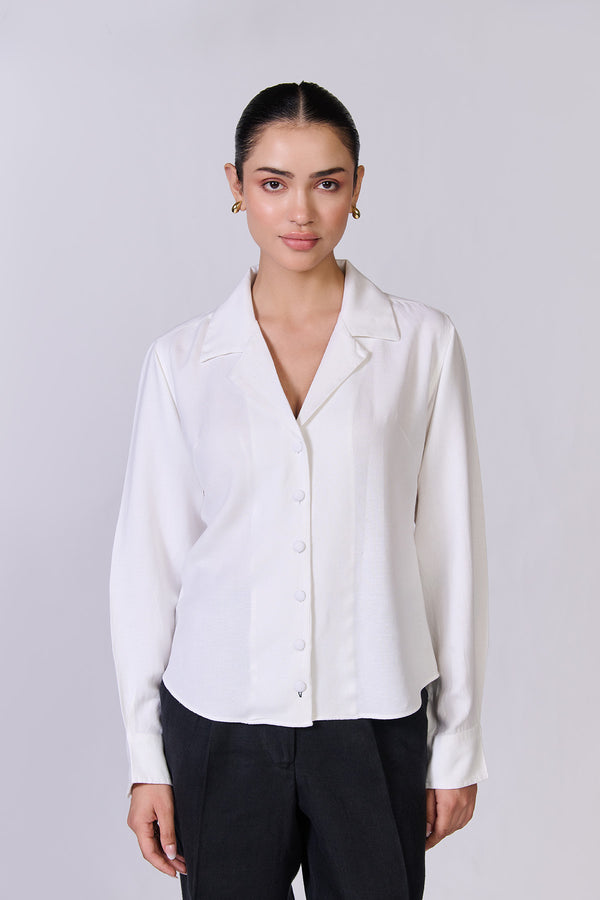
Milano Bamboo Hemp Blouse, Soft Ivory
75% bamboo, 25% hemp — soft yet composed. ₹5,950
Shop the blouse →How to Wash Hemp Without Irritating Skin
Care decides whether the fabric stays skin-friendly. Wash cold or warm with a mild, fragrance-free detergent, and skip fabric softener — it coats the fibre and dulls its moisture movement. Line-dry in shade to protect colour, and iron while the fabric is slightly damp for a flat finish. One extra habit for reactive skin: wash a new piece once before the first wear, so finishing residue is gone and the softening has started. For the full routine, see our guide to how to wash hemp clothing correctly, and for what to expect over time read does hemp fabric get softer after washing.
FAQ
Is hemp better than cotton for eczema-prone skin?
Not automatically. Both are gentle fibres; hemp handles sweat and humidity better, while cotton feels softer on day one. Choose by where your skin flares most.
Will hemp clothing itch?
Early wears feel crisp, similar to a new linen shirt. It softens noticeably within a few washes and never pricks like wool.
Is a bamboo-hemp blend good for sensitive skin?
Yes. Bamboo adds smoothness and drape while hemp adds durability, so the blend feels softer than pure hemp from the first wear.
Should I wash hemp clothing before wearing it?
Yes, once. It removes finishing residue and starts the softening process before the fabric meets your skin.
One Last Thing
Sensitive skin does not need a special fabric; it needs an honest one. Breathable, quick-drying hemp covers most of what reactive skin asks for, and the checklist above covers the rest. For the fibre story behind our fabrics, read about the materials of Monture, or compare the feel directly in Is Hemp Clothing Itchy to Wear?