






Every Indian summer brings the same question at the wardrobe: linen or cotton? Both are breathable plant fibres, both are comfortable, and both have a place. But they behave differently once the temperature climbs past 35°C, and knowing the difference makes it much easier to dress for the day you are actually going to have.
Here is a plain comparison, with notes on how Monture uses each fabric.
Where they come from
Linen is spun from the stem fibres of the flax plant. The fibres are long and stiff, which gives linen its crisp hand, its natural slub and its tendency to crease. Cotton comes from the soft fluff around the cotton seed. Its fibres are shorter and finer, which is why cotton feels smoother against the skin from the first wear.
Not all cotton is equal. Long-staple cottons such as Supima, grown in the United States, spin into a finer and stronger yarn than ordinary cotton, so the fabric stays smoother and holds its shape for longer.
Linen and cotton, side by side
| Linen | Cotton | |
|---|---|---|
| Feel | Crisp at first, softens with every wash | Soft and smooth from day one |
| Airflow | Very open; stands away from the skin | Good, but sits closer to the body |
| Sweat | Dries quickly, rarely feels clammy | Absorbs well but holds moisture longer |
| Creasing | Creases easily; part of its character | Creases less, looks neater for longer |
| Durability | Very strong fibre; lasts for years | Durable, especially long-staple cotton |
| Best for | Peak heat, humidity, travel, day events | Everyday wear, layering, office, evenings |
When linen wins
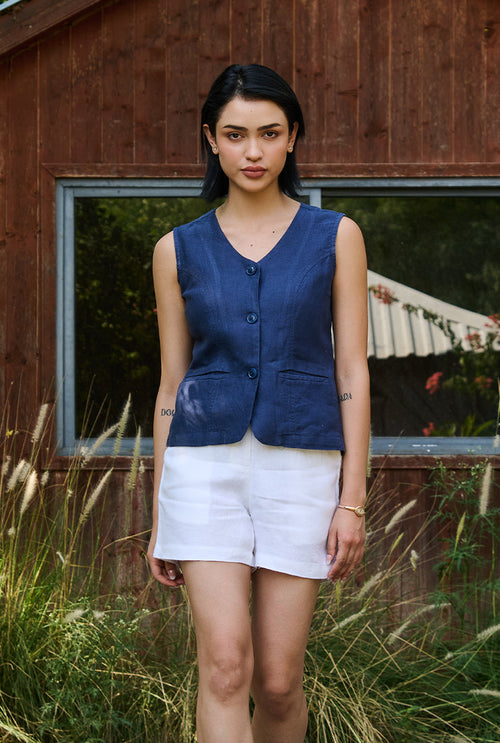
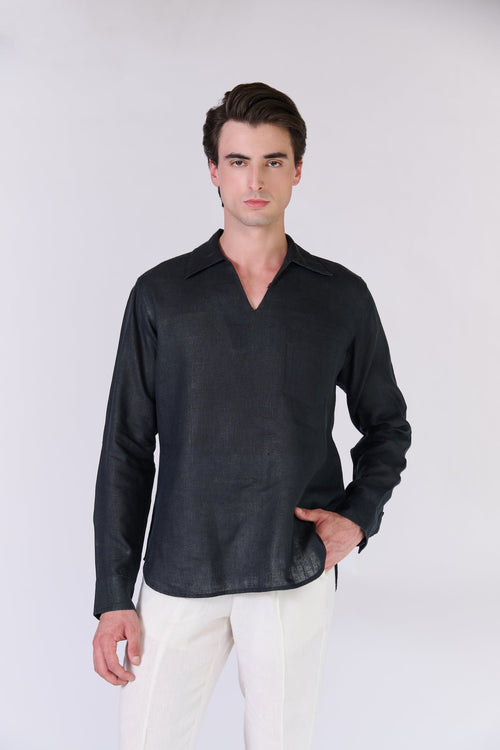
On the hottest, most humid days, linen is hard to beat. Its stiffer fibres keep the fabric from clinging, so air moves between cloth and skin, and it dries out quickly when you sweat. That is why a linen shirt still feels comfortable at a mid-afternoon lunch in May when a cotton one has started to stick.
Linen also suits travel and long days out: it looks relaxed when creased, and it does not need to look pressed to look right.
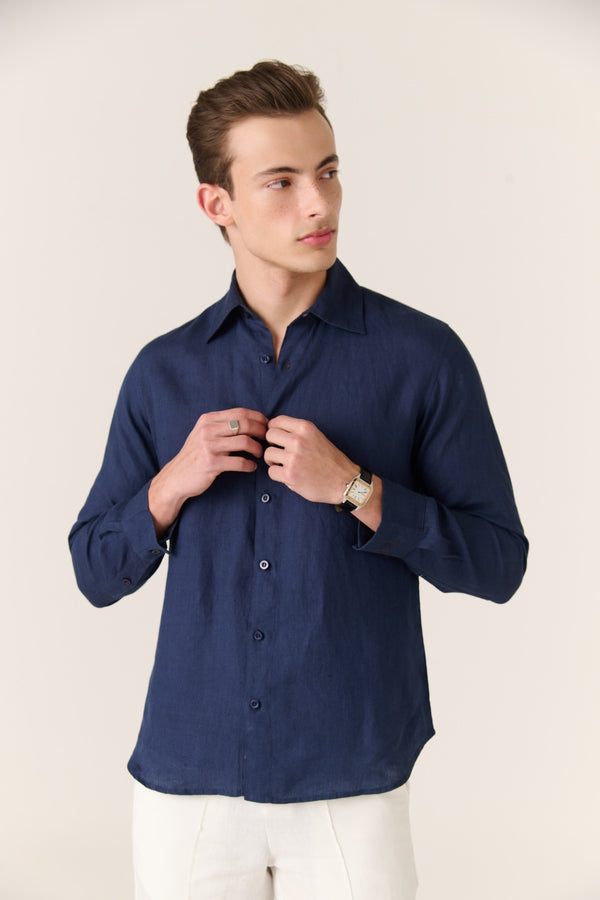
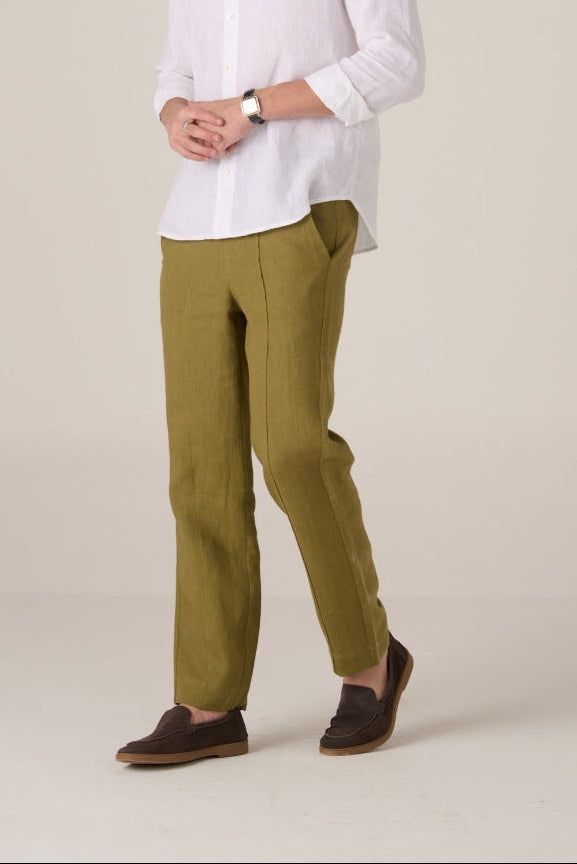
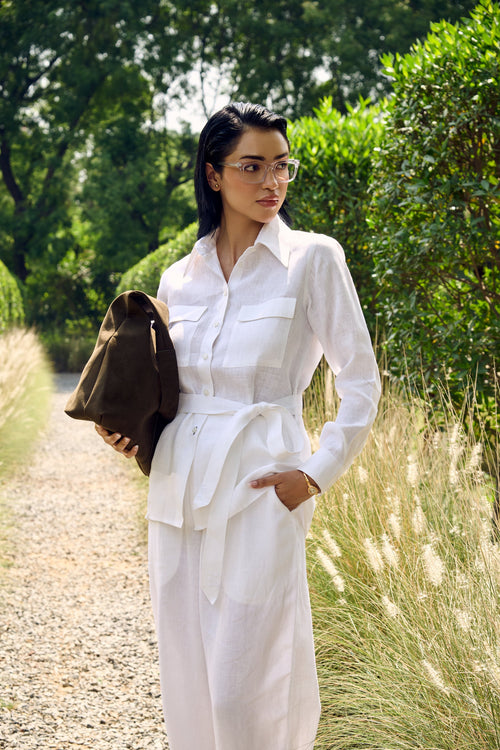
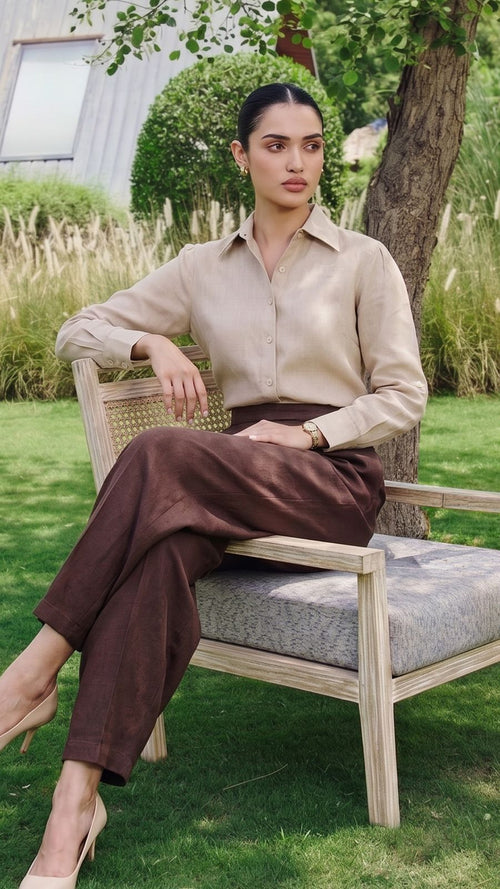
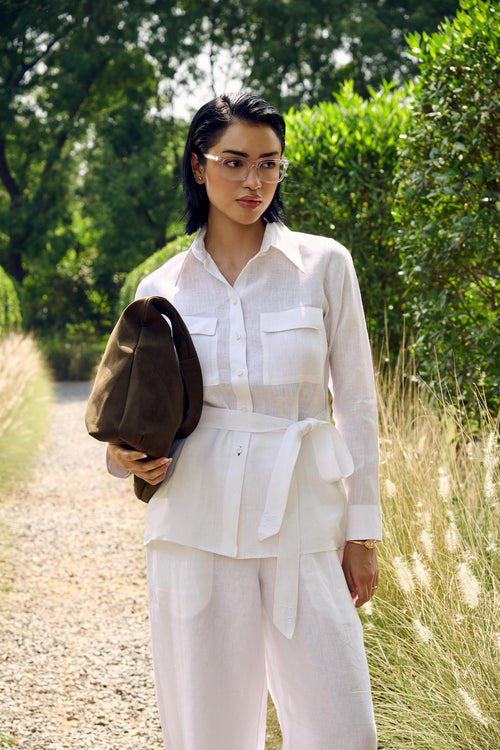
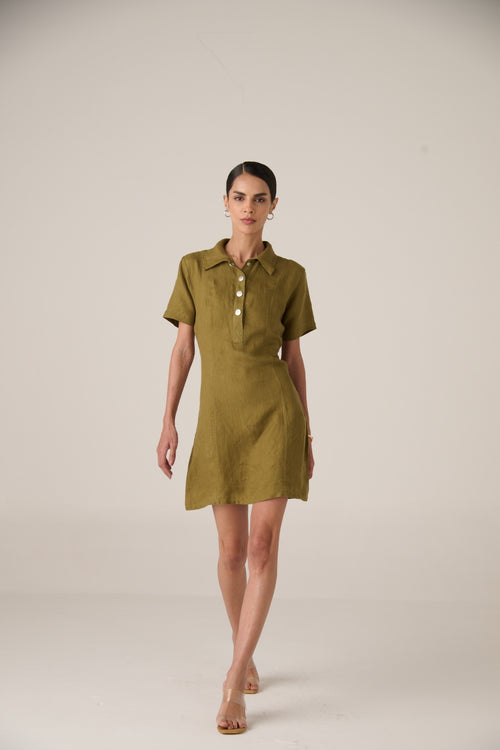
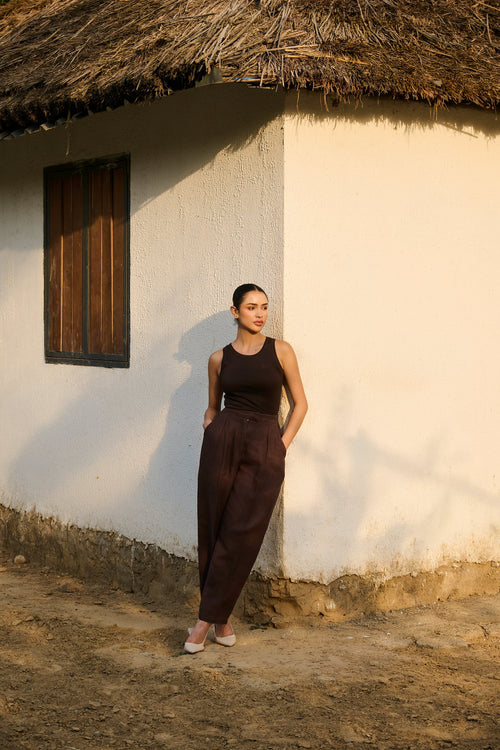
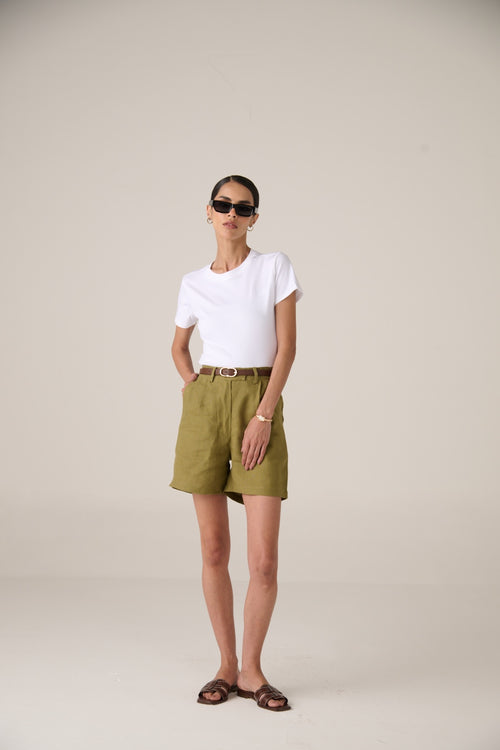
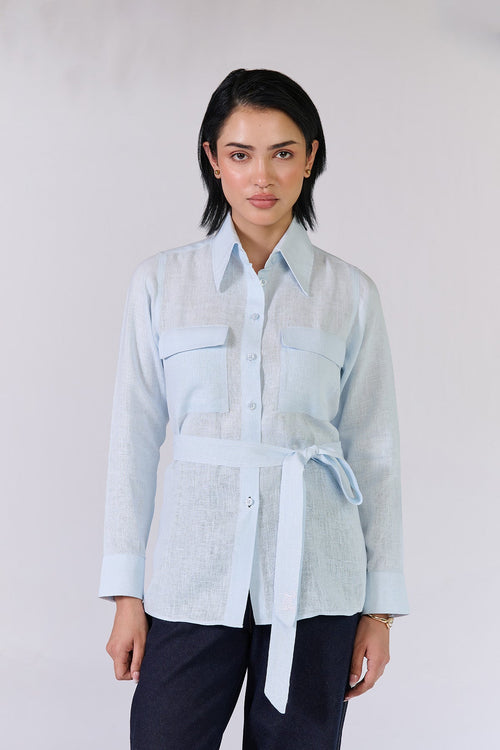
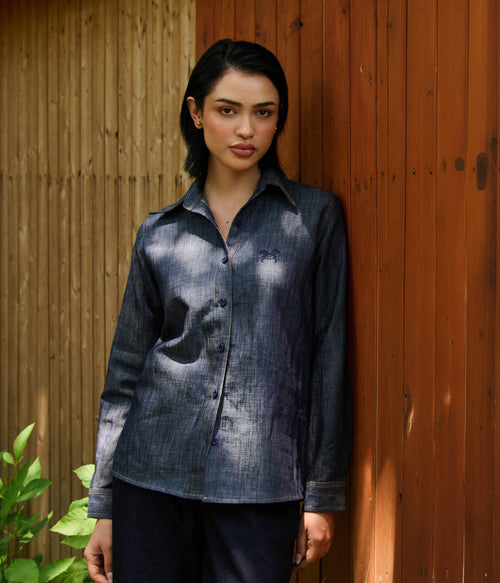
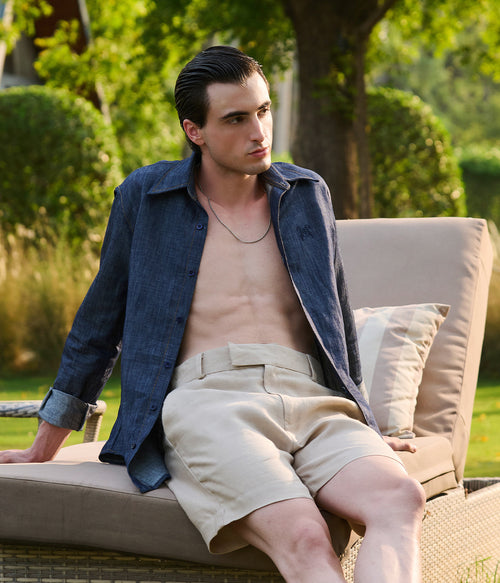
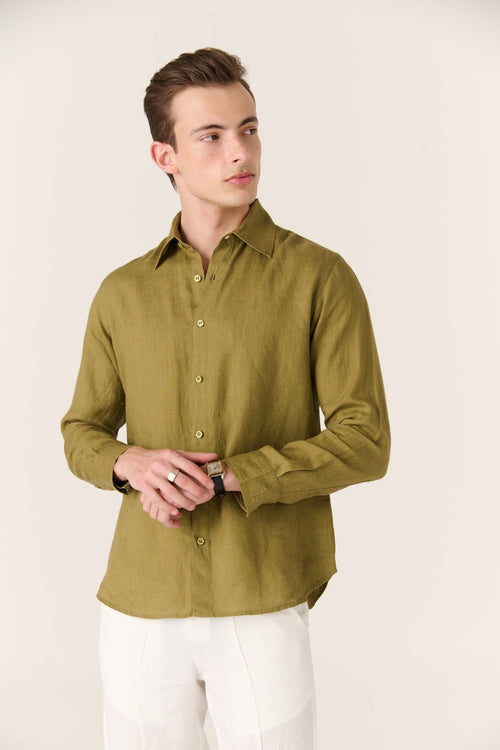
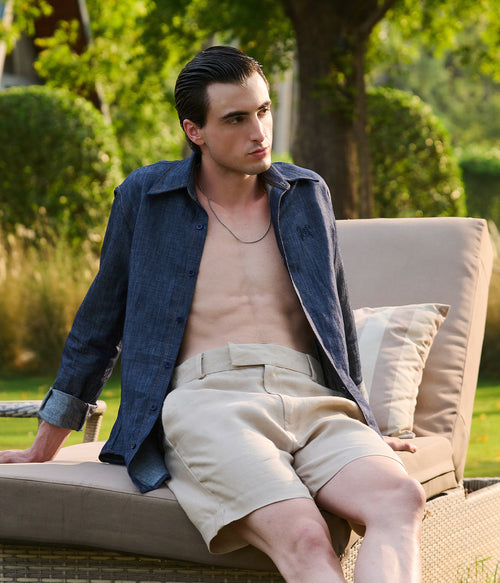
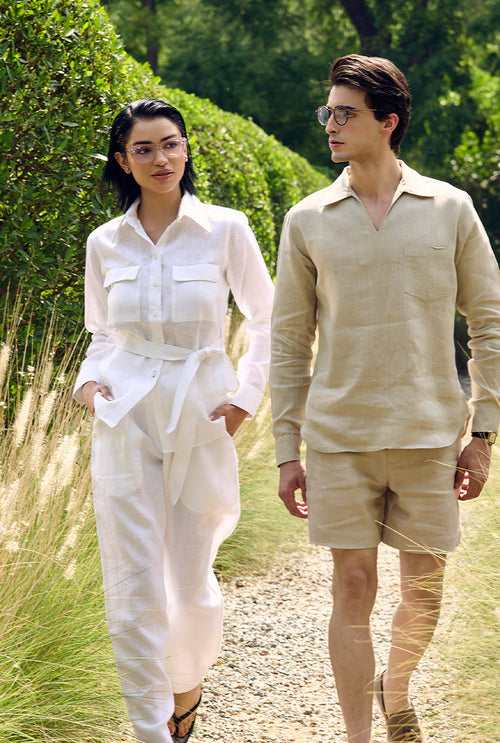
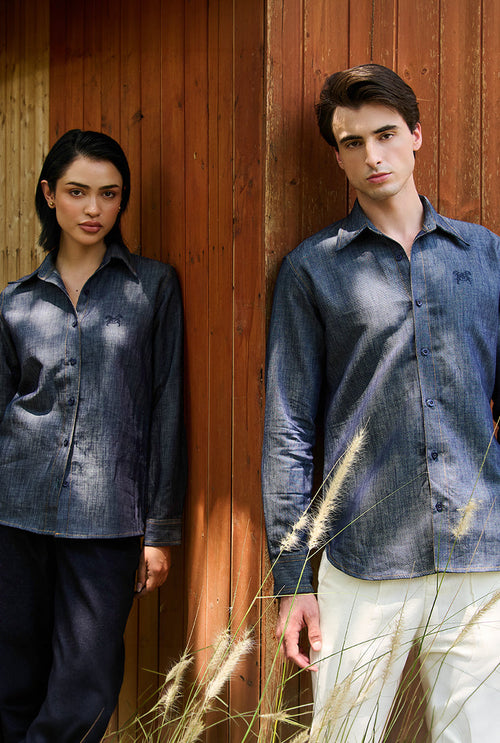
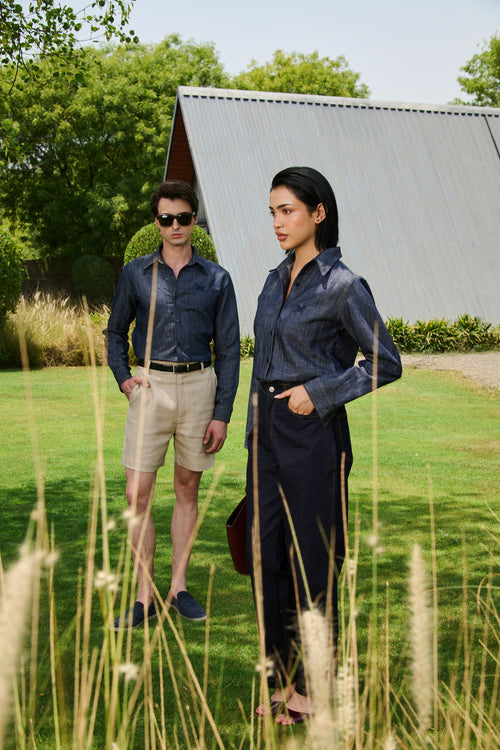
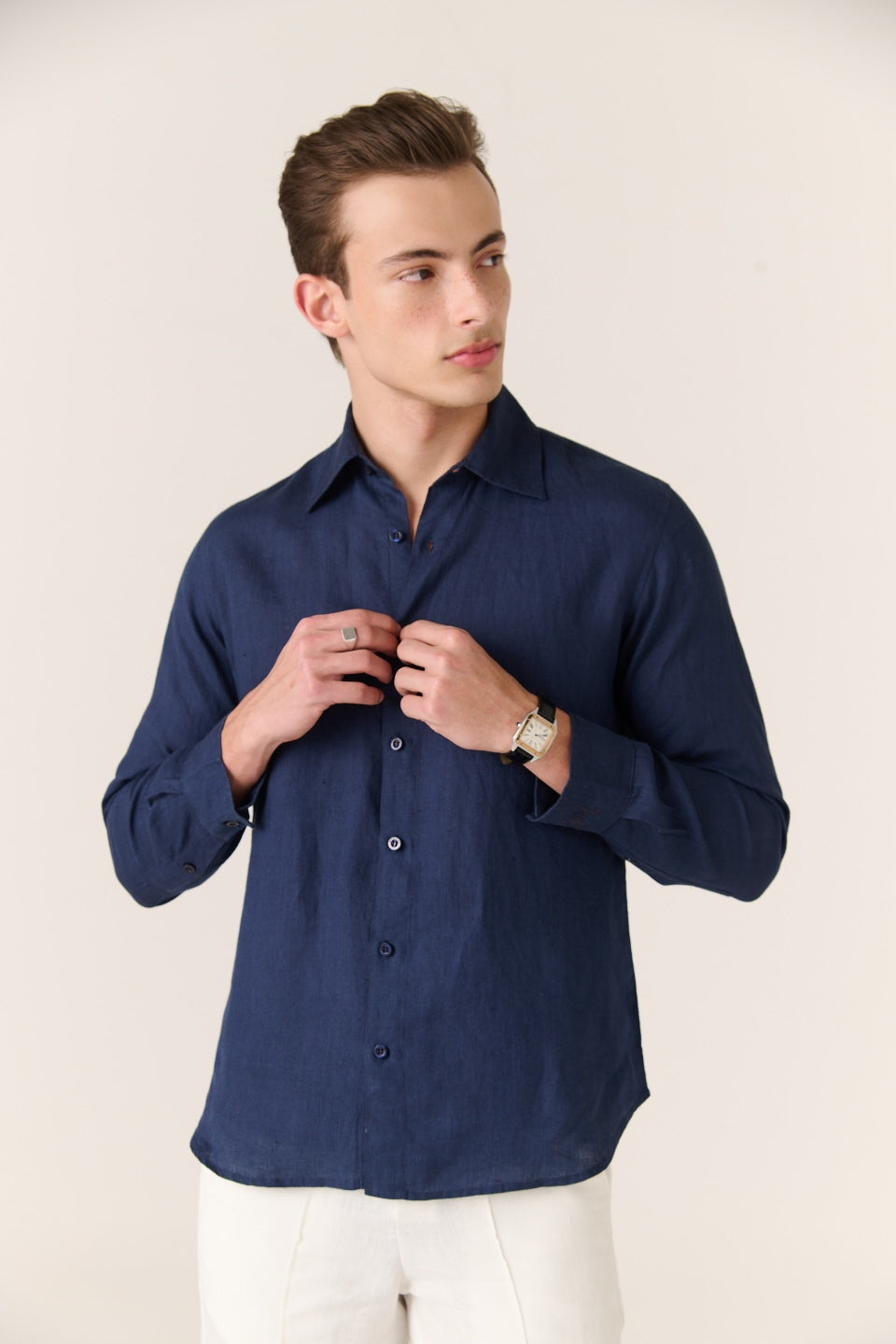
At Monture, linen is the backbone of the summer wardrobe. The Riviera Linen Shirt is cut in 100% Belgian-grown linen, and the Milano Linen Trousers use the same Belgian linen in an Italian straight fit. Shop all linen.
When cotton wins
Cotton is the better choice when you want something softer, closer-fitting or neater for longer: a tee under a linen shirt, an office day in air-conditioning, or an evening when a crisp, uncreased look matters.
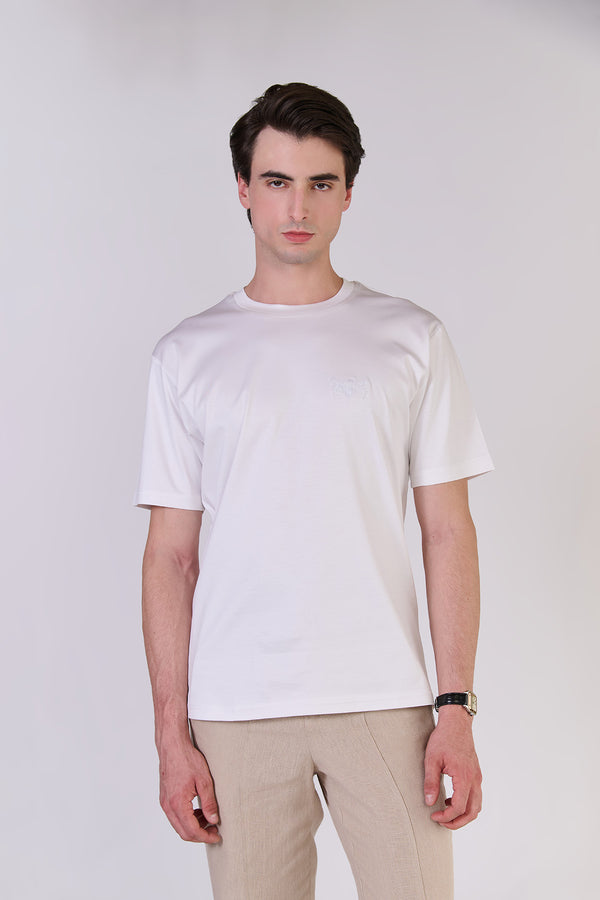
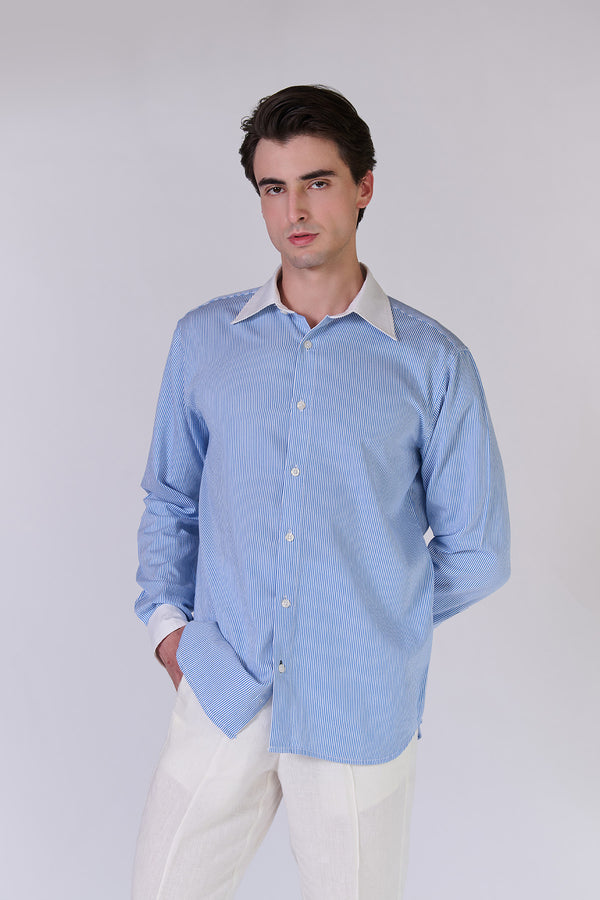
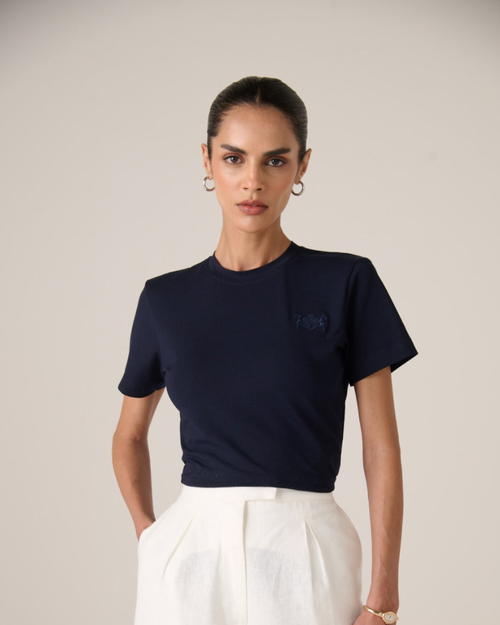
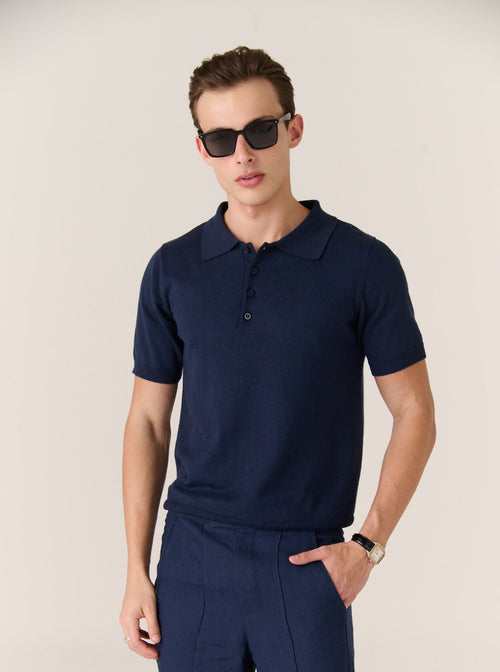
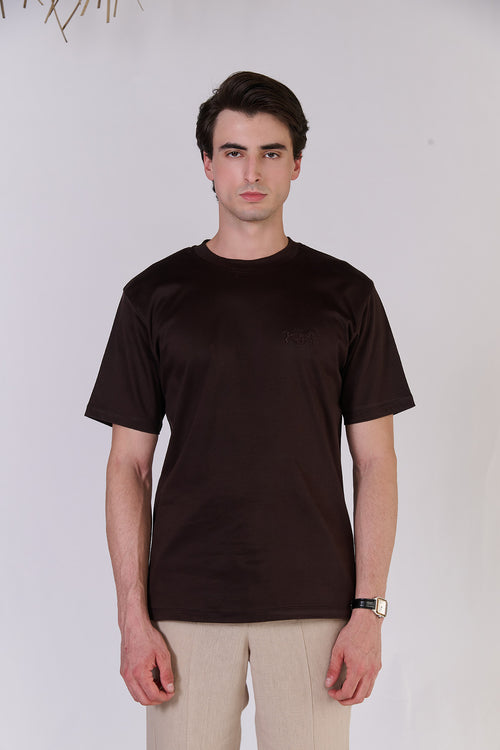
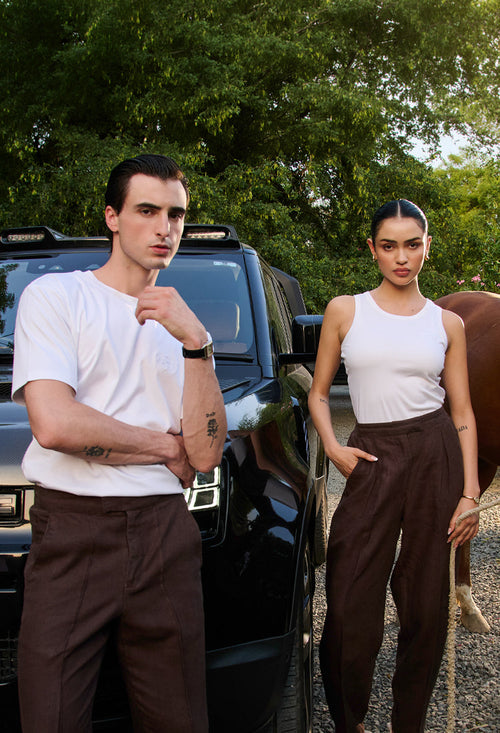
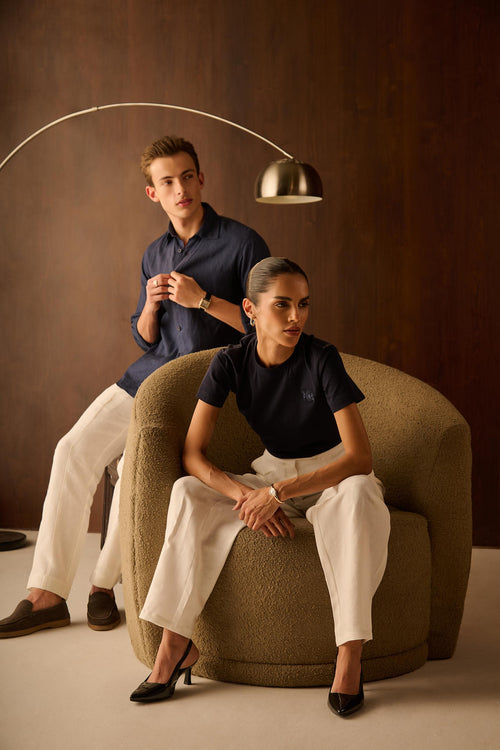
The Riviera Tee is made in US Supima cotton with a silk-treatment finish, which gives it a cooler, smoother hand than an ordinary cotton tee. For a sharper shirt, the Giza Stripe Shirt uses yarn-dyed Egyptian Giza cotton. Shop Supima cotton.
The best of both
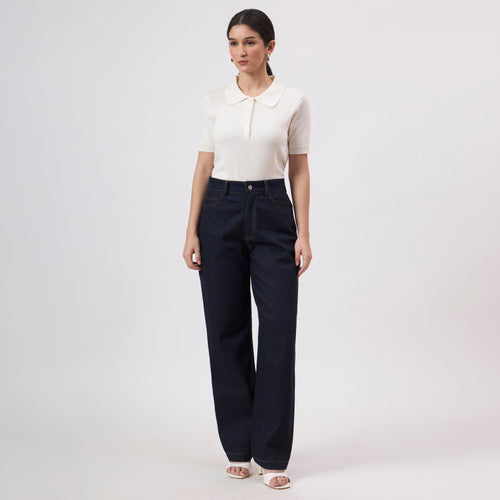
You do not have to choose. Blends combine the airflow of linen with the softness of cotton. Monture's Heritage Linen Denim mixes cotton with linen so the denim breathes better in the heat than all-cotton jeans.
Above 35°C or in heavy humidity, reach for linen. For softness, layering and a neater finish, reach for good cotton.
Caring for linen and cotton
Wash both cool and avoid tumble-drying at high heat. Line-dry linen and press it lightly while it is still slightly damp; it will soften with every wash. Fine cotton such as Supima keeps its shape best when washed inside out and dried flat or on a hanger.
Frequently asked questions
Is linen cooler than cotton?
In hot, humid weather, linen usually feels cooler. Its stiffer fibres hold the fabric away from the skin and it dries faster, so it is less likely to feel clammy.
Why does linen crease so much?
Flax fibres are long and not very elastic, so they hold folds. The creases are a natural feature of linen and soften with wear and washing.
Can I wear linen to the office?
Yes. A well-cut linen shirt with linen or cotton trousers works in most offices. Press it in the morning and accept a little softening through the day.
What is Supima cotton?
Supima is extra-long-staple cotton grown in the United States. Its longer fibres make a finer, stronger yarn, so the fabric feels smoother and holds its shape better than ordinary cotton.