

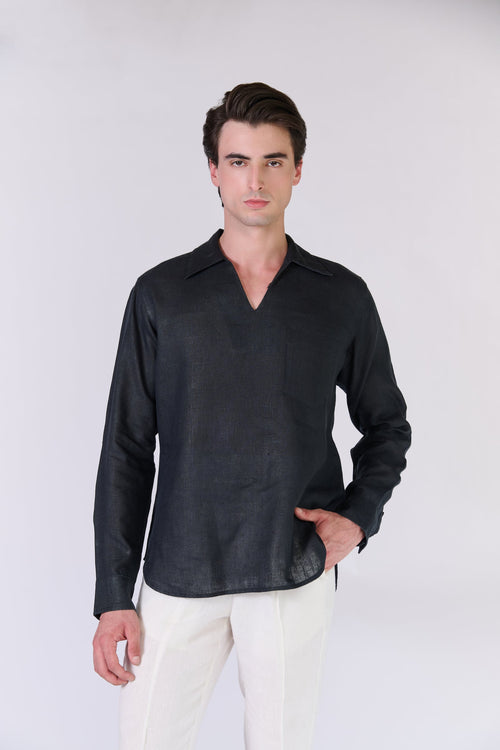
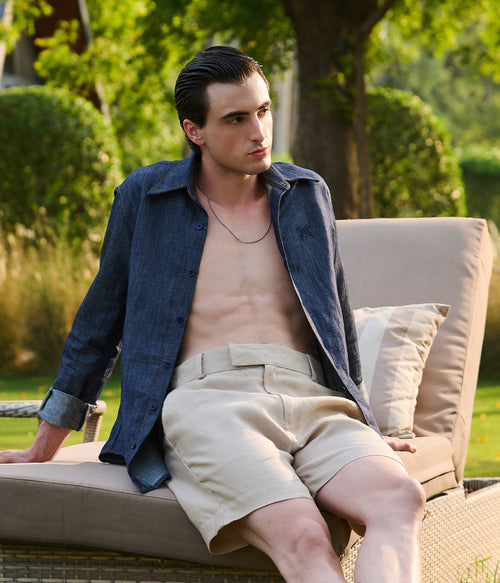
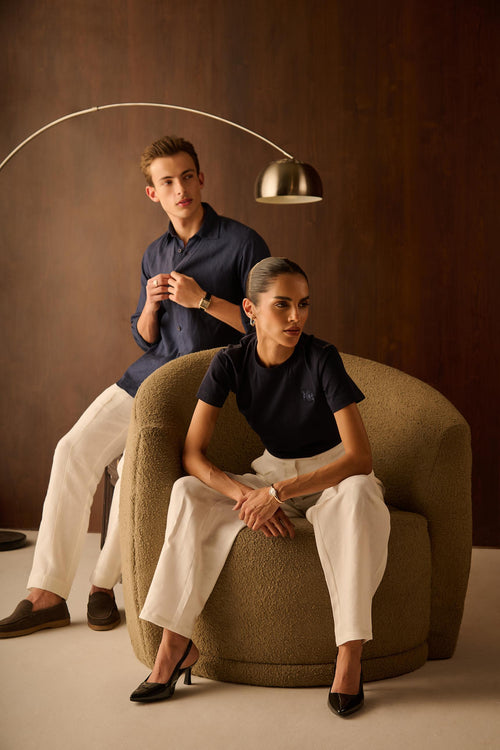
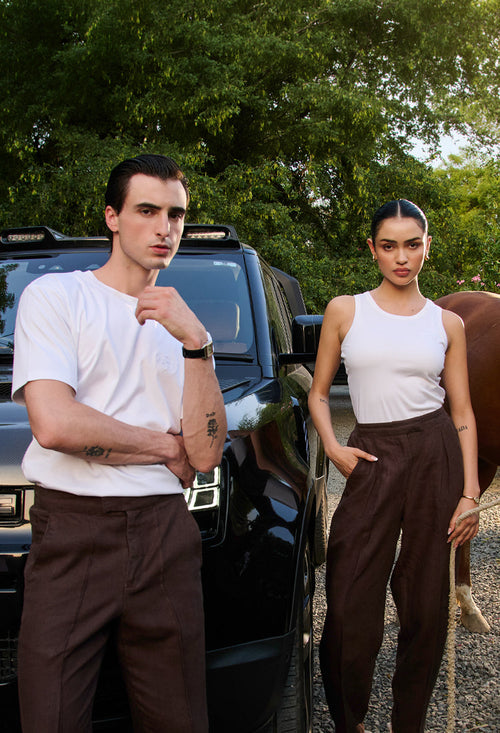
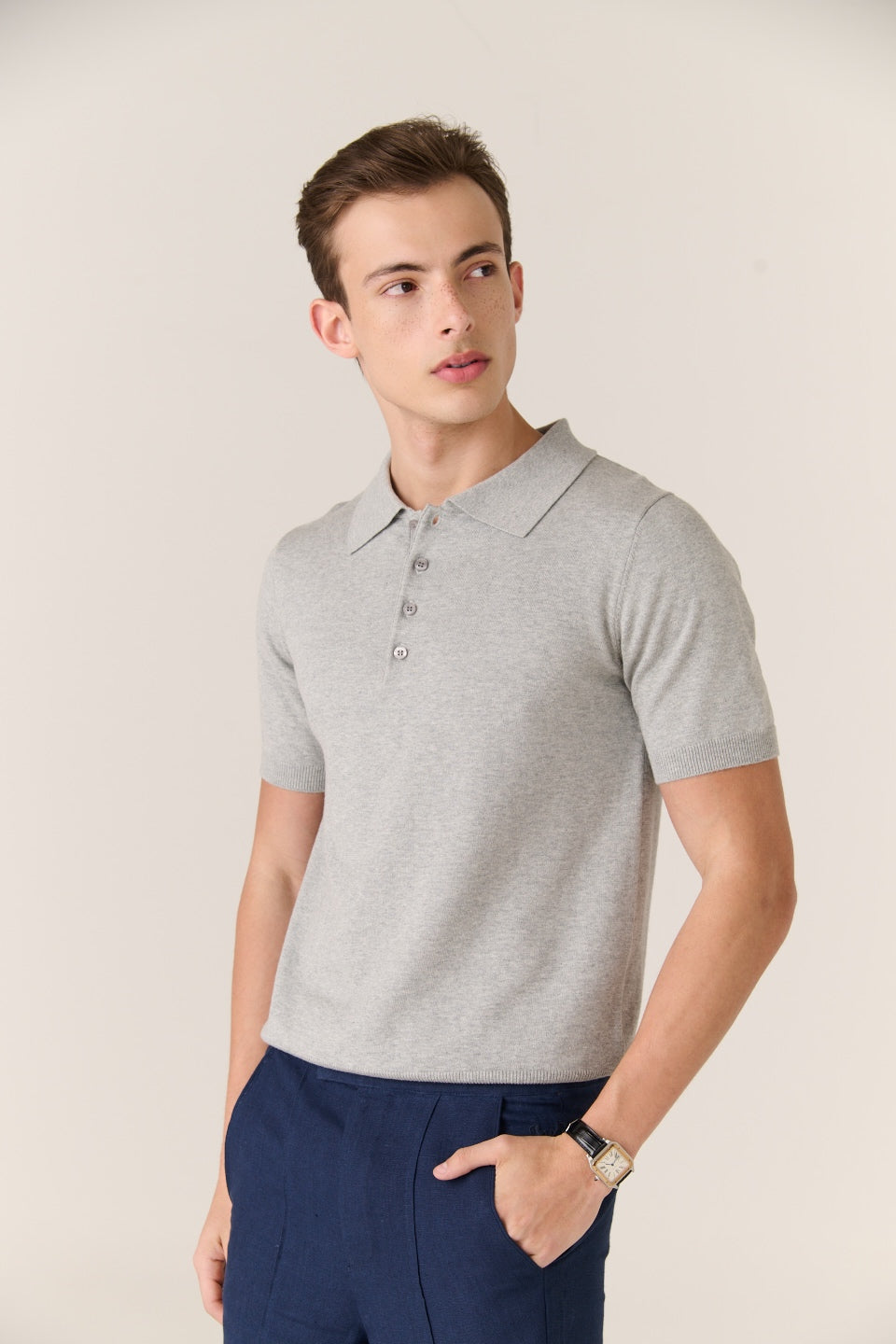
The best luxury polo shirts for men are judged on four things: the fibre, the knit, the collar and the fit. Clearly labelled fabric leads, a collar that holds its shape separates premium from merely expensive, and the right cut finishes the job. Most men own a polo shirt. Far fewer own one that still looks right after its twentieth wash. That gap is what you are really paying for when you move into luxury.
If you are comparing premium polo shirts before you buy, the logo on the chest matters far less than the cloth it is stitched onto. Luxury in a polo is quiet. It rarely announces itself with an oversized emblem or a loud colourway; it shows up in the fabric, the construction, the fit, the comfort and how well the shirt holds up over time. This guide breaks down each of those, so you can spend once and spend well.
What Makes a Polo Shirt Luxurious?
It Starts With the Fabric
The single biggest quality lever in any polo is the fibre. Long-staple cottons, such as pima, Supima and Egyptian varieties, have longer individual fibres that spin into finer, stronger and smoother yarns. The result is a softer hand-feel, a cleaner surface and less pilling over time. Finishing matters too: mercerised cotton gains a subtle lustre and deeper colour, and combed or compact yarns make for a more refined, even fabric.
Blends deserve a fair hearing. A considered blend, such as cotton with Lyocell (TENCEL™) or silk, can add drape, smoothness and moisture management that cotton alone does not offer. The test is the same either way: the label should name every fibre and its percentage. "Premium cotton" on its own tells you very little.
Knit Structure: Piqué, Jersey and Beyond
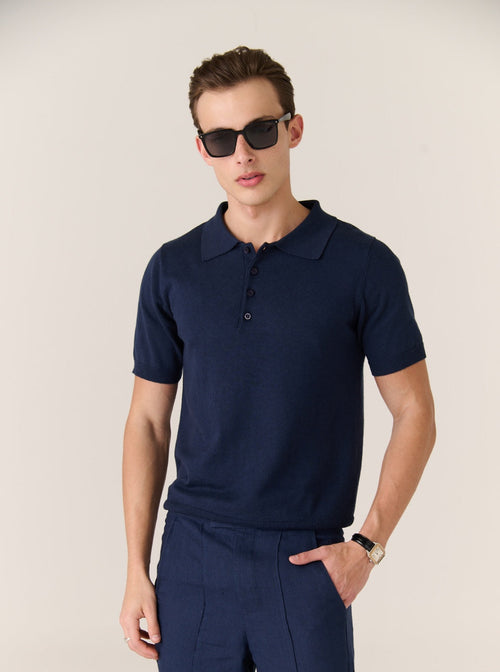
Polos are knitted rather than woven, and the knit changes how the shirt looks and wears. Piqué is the classic: its textured surface breathes well and keeps the shirt looking crisp through a long, warm day. Jersey and interlock knits are smoother and drape more softly, giving a dressier finish that sits well under a jacket. Fine-gauge knitted polos, in cotton or wool, are the evening and cooler-weather option, closer to knitwear than sportswear.
Weight and Hand-Feel
Fabric weight, usually listed as GSM, affects both drape and comfort. Heavier fabrics hold their shape and resist clinging; lighter fabrics feel cooler in heat and humidity. Neither is better by default, so match the weight to your climate and how you plan to wear the shirt rather than guessing from photos.
The Polo Types at a Glance
The comparison below covers garment types rather than named products.
| Type | Best for | Watch out |
|---|---|---|
| Cotton piqué | Everyday smart-casual | Sportier look |
| Smooth jersey or interlock | Wearing under a blazer | Shows a poor fit |
| Cotton blend (Lyocell, silk) | Smooth hand-feel in warm weather | Check every fibre percentage |
| Fine-gauge knitted polo | Evenings and cooler months | Warmer to wear |
Craftsmanship: The Details That Separate Premium From Ordinary
Two polos can use similar fabric and still age very differently. The difference is in the making.
The collar is where cheaper polos fail first. Watch for collars that curl, flare or go limp after a few washes. A well-made collar holds its shape and lies flat against the neck, whether that comes from a firm ribbed knit, a structured self-fabric collar or proper interlining.
The placket and buttons should sit flat with no puckering, with straight, even stitching. Buttons should feel substantial and be sewn on securely.
Seams and finishing tell the rest of the story. Turn the shirt inside out: clean, dense stitching and neatly finished seams suggest a garment built to last. Side vents and a slightly longer back hem help the shirt move with you and sit properly tucked or untucked.
Fit: Where a Good Polo Becomes Your Polo
Even a beautifully made polo looks ordinary if it fits badly. Run four checks:
- Shoulders: the seam lands at the edge of your shoulder bone, not down your arm.
- Sleeves: they end around mid-bicep and sit close without gripping.
- Chest: no pulling across the buttons.
- Length: the hem covers your belt untucked without running past mid-fly.
Measure a polo you already like, laid flat, and compare it against the brand's chart. The men's polo size guide lists the measurements that matter.
Comfort and Durability in Indian Conditions
In heat and humidity, breathability is the baseline, not a luxury. Natural and plant-based fibres help air and moisture move, keeping the shirt comfortable from morning to evening. Colour-fastness and shrink resistance matter just as much: a polo that fades or shortens after a few washes was never really premium.
Care extends the life of any good polo. Follow the garment's own label first; as a rule, wash cool and inside out, button the placket before it goes in, and dry flat in the shade rather than hanging it wet, which can stretch the knit. How each fibre behaves is explained in the materials of Monture.
How to Style a Luxury Polo
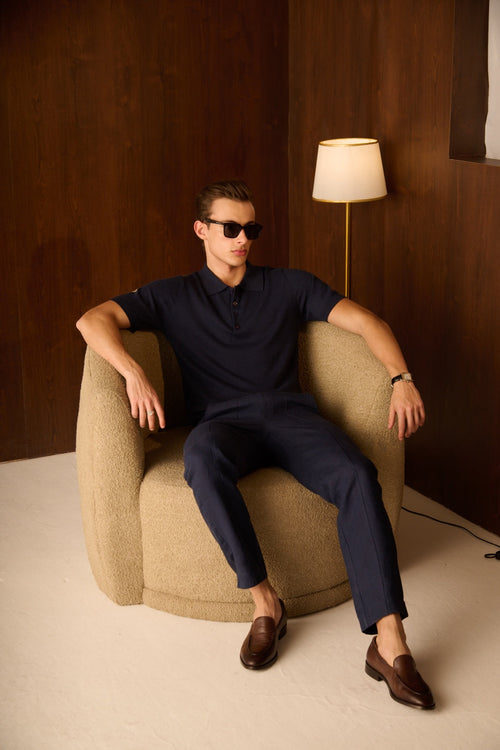
Smart-casual and office: tuck it into tailored trousers, add a slim leather belt and finish with loafers. Navy, stone and deep green read polished without trying too hard.
Weekend and travel: pair it with linen trousers or chinos and suede loafers or clean leather sneakers.
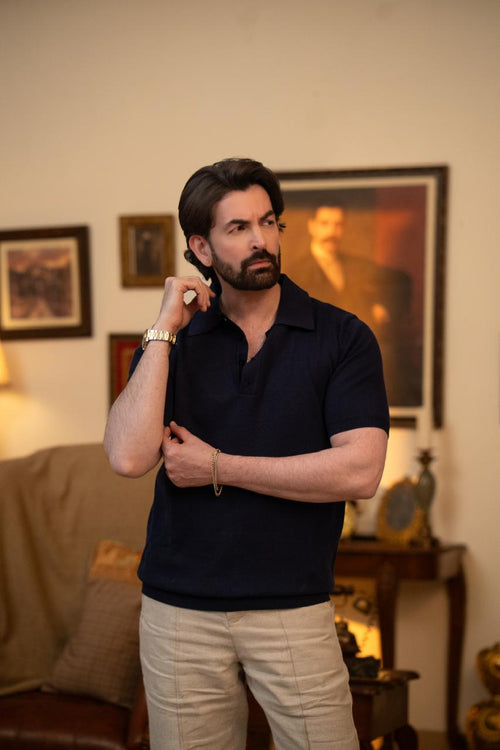
Evening and layering: a dark polo under an unstructured blazer is a sharp alternative to a shirt. If you are building from scratch, start with neutrals; they work with almost everything you already own.
Choosing the Best Luxury Polo Shirts for Men: A Quick Checklist
- Fabric: every fibre and percentage is stated, not just "premium".
- Collar: it holds its shape and lies flat.
- Construction: stitching is even and dense, inside and out.
- Fit: shoulders and length suit your frame, not just the size on the tag.
- Branding: minimal or none, so the shirt works across more occasions.
The Monture Signature Blend Polo
Monture is a fabric-first ready-to-wear label from New Delhi, built on 75 years of family textile heritage, a house that has supplied fabric to global names including Ralph Lauren and the Inditex Group. That history shapes every piece: the cloth comes first, and the cut, finishing and colour follow from it.
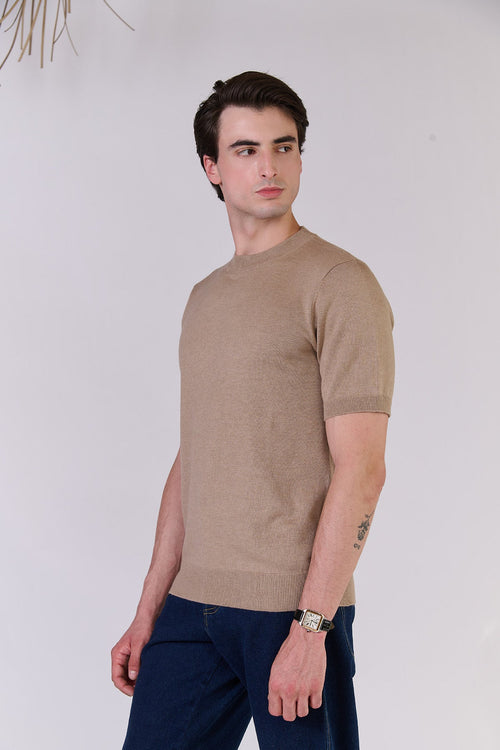
The Signature Blend Polo is the clearest expression of that approach. Its knit is a stated composition of 65% cotton, 30% TENCEL™ and 5% silk: cotton for structure and durability, TENCEL™ for fluidity and moisture regulation, and silk for a soft surface with a subtle sheen. It comes in Stone Grey, Midnight Blue, Forest Olive and Sandstone Brown, in sizes S to 2XL.

The everyday neutral
Signature Blend Polo, Stone Grey
65% cotton, 30% TENCEL™, 5% silk. ₹6,950
Shop the polo →
The evening polo
Signature Blend Polo, Midnight Blue
65% cotton, 30% TENCEL™, 5% silk. ₹6,950
Shop the polo →FAQ
What makes a polo shirt luxury rather than just expensive?
Clearly labelled, high-quality fibre, a collar that holds its shape, careful finishing and a fit that suits your frame. Price and logos are not reliable signals on their own.
Is piqué or a smooth knit better for a luxury polo?
Neither is better by default. Piqué is textured, classic and breathable; a smooth jersey or blend knit drapes more softly and dresses up more easily under a jacket.
Are cotton blend polos lower quality than pure cotton?
Not necessarily. A considered blend can add drape, smoothness and moisture management. Judge it by the stated fibres and percentages on the label.
How should a luxury polo fit?
The shoulder seam sits at the edge of the shoulder, sleeves end around mid-bicep, the chest does not pull at the buttons, and the hem covers the belt when untucked.
Find Your Next Polo
The best luxury polo shirts for men are not defined by price or a famous name. They are defined by honest fibre, a collar that holds, careful finishing and a fit that feels made for you. Know what to check, and you will own a polo you reach for every week, for years.
If fabric is where you start, start with Monture. Explore the men's polo collection and find the one that earns its place in your wardrobe. For warmer weeks, read our guide to the best linen polos for men in India.

