


























Linen has a summer reputation, and it is mostly deserved. But treating linen as a warm-weather-only fabric mistakes a weave for a season. A fabric's warmth comes from how it is layered, not just from what it is, and linen's breathability is as useful in January as it is in June — especially in Indian winters, where days stay warm and the cold arrives mainly in the morning and after dark. Here is how to wear linen from November through February, and when to reach for something heavier instead.
Why linen works in winter too
Linen is a poor insulator on its own, which is exactly why it layers so well. In summer that quality vents heat; in winter it stops the layer nearest your skin from trapping sweat, and it is trapped moisture that actually makes you cold. A linen shirt under a sweater or jacket keeps the base dry and breathable, and dry warmth is warmer warmth. The fabric also holds its structure under knitwear, so a fine linen shirt keeps its collar and cuffs reading sharp beneath a heavy layer rather than disappearing into it.
The three-layer method
Dressing linen for winter is less about the fabric and more about sequencing. Build from the skin outward and the same pieces you wore in October keep working through January.
Winter layering, in order
1. Base
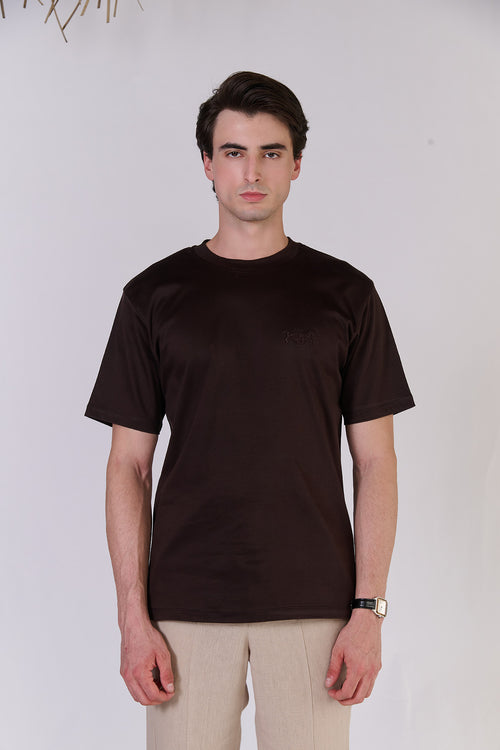
A fine linen or cotton tee sits against the skin and moves moisture out.
2. Middle
A linen shirt or light knit adds warmth without bulk.
3. Outer
A jacket or overcoat blocks wind and holds the heat in.
How linen compares with winter fabrics
Wool wins on raw warmth; there is no arguing that. But an Indian winter is rarely a wool-only proposition: afternoons often climb past 25 degrees while mornings sit near ten. Cotton layers warmly but holds sweat against you once the day warms up. Linen sits in the practical middle — it carries a jacket's warmth without cooking you by lunch, and it packs lighter than knitwear, which matters if you are moving between cities. If you are weighing the two head to head, our comparison of linen vs cotton covers the trade-offs in detail.
Choosing the right linen weight
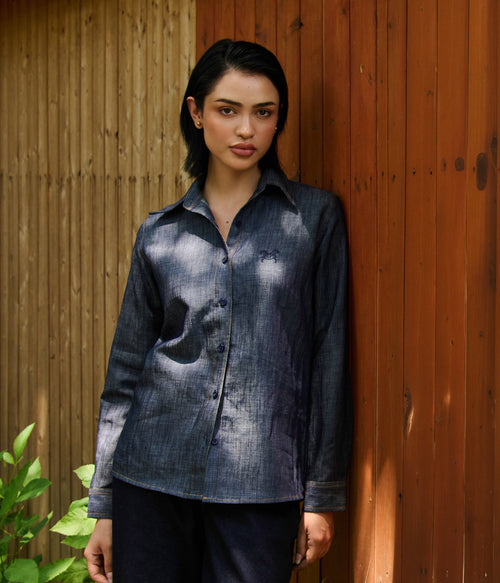
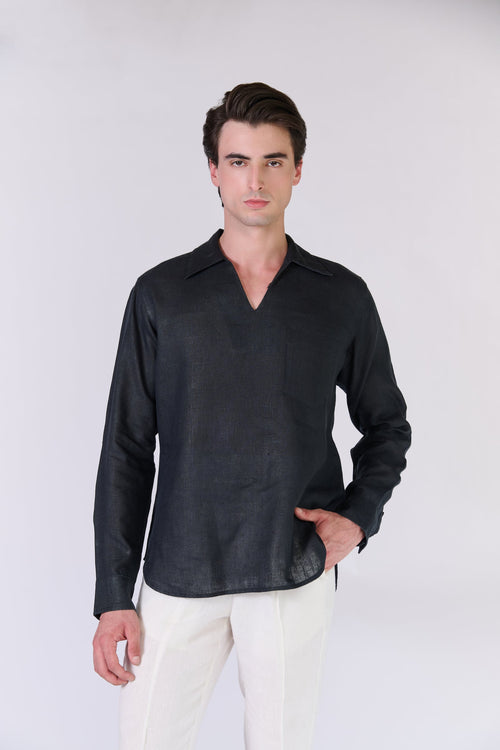
Not all linen is equally wintry. A loosely woven, pale summer shirt will read thin in December, while a denser plain weave in a deep tone behaves more like a light flannel. Colour helps too: coastal navy, heritage olive and chocolate brown absorb light and look seasonal in a way ivory does not. A darker, tighter weave worn over a plain tee will carry you through most of an Indian winter without a second thought, and it transitions straight into spring when the season turns.
Linen at work through winter
For the office, treat a linen shirt as a suit-adjacent layer. A heritage olive or coastal navy linen shirt under a fine knit reads considered in a way a rumpled cotton shirt does not, because linen holds its collar and placket line through a commute. Pair it with heavier trousers from the men's trousers range and keep footwear leather rather than canvas. On the warmest afternoons the shirt can stand in for the knit entirely, which is the quiet advantage of a winter linen rotation: one garment covers both halves of the day.
Care in cold, dry air
Winter is harder on linen than summer in one specific way: dry air and heated rooms pull moisture from the fibre, which lets creases set harder and static build. Wash on cold, line-dry away from direct heaters, and fold while the garment is still slightly damp to relax the wrinkles. Steam rather than iron where you can, and store linen folded rather than hung so the shoulders keep their shape through the season.
Linen pieces that layer well
Every piece below is Belgian linen tailored in India, with a full size run in stock at the time of writing.
Shop the edit

Riviera Linen Shirt - Men
Heritage Olive · ₹5,950
Long Belgian linen fibres hold structure under knitwear.
Shop
Heritage Linen Denim Shirt - Men
Classic Indigo · ₹5,450
A 66% cotton, 34% linen denim weave that layers like flannel.
Shop
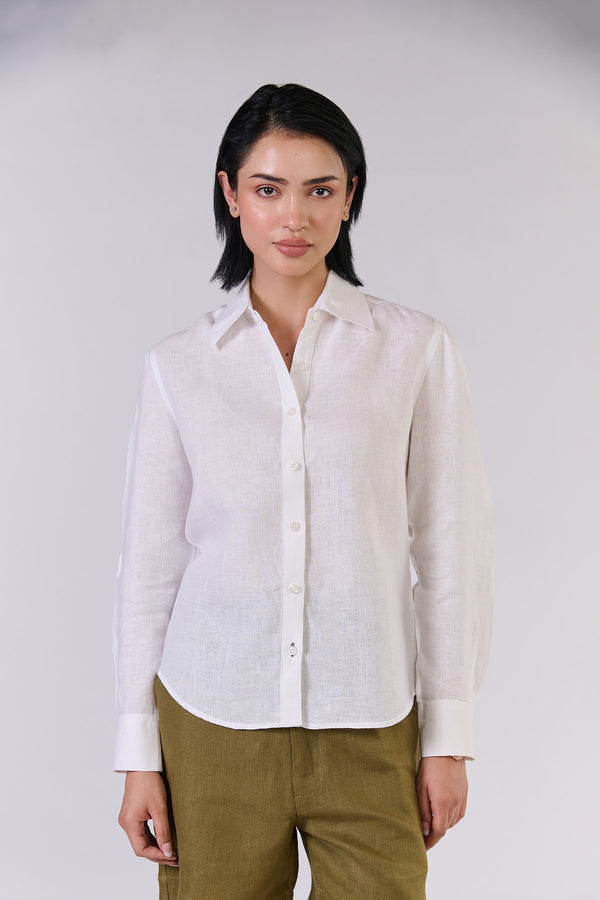
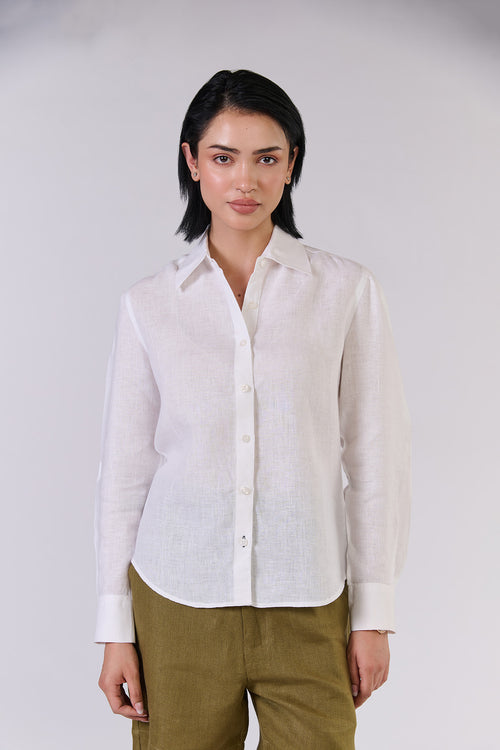
Riviera Linen Shirt - Women
Soft Ivory · ₹6,450
Belgian linen with a clean drape that sits flat under layers.
ShopFrequently asked questions
Is linen too cold for winter on its own?
On its own, yes. Under a sweater or jacket it becomes the breathable layer that keeps dry warmth next to your skin.
What should I layer over a linen shirt?
A light knit for mild mornings, a jacket or overcoat for real cold. Linen's flat profile sits cleanly under both.
Does linen work in North Indian winters?
As a base or mid layer, comfortably through most of the season. For Delhi-level mornings, add a proper overcoat on top.
Can I wear linen trousers in winter?
Yes, in a denser weave and a darker tone, with a tucked tee and closed footwear. Save the pale loose pairs for summer.
One last thing
Linen in winter is a layering decision, not a fabric problem. Start with our men's linen and women's linen ranges, or read where the fabric comes from on the materials of Monture page — the flax is Belgian, and the tailoring is Indian.