















Hemp has a reputation as fashion's most sustainable fibre, and most of that reputation is earned in the field rather than the marketing department. The crop grows quickly, drinks little and crowds out its own weeds. But sustainability is a supply-chain outcome, not a property that arrives stitched into a shirt. In this guide we look at where hemp genuinely earns its claims, where the fine print sits, and how to judge a hemp garment before you buy it — the same way we judge every fabric we stock at Monture.
What makes hemp a low-impact crop
Hemp reaches harvest height in roughly three to four months, and its dense canopy shades out weeds, which removes the need for herbicide across most of the growing cycle. It needs a fraction of the irrigation that conventional cotton demands, and it returns nutrients to the soil instead of stripping them, so fields can be replanted without a long rest. Because the plant's bast fibres are naturally long and strong, a spinnable yarn takes less processing chemistry than many other plant fibres. None of this is a brand story; it is agronomy, and it explains why textile regions have kept cultivating hemp for centuries.
Quick guide: where hemp earns its claims
Water
A fraction of the irrigation conventional cotton demands.
Pesticides
Dense growth crowds out weeds naturally.
Soil
Returns nutrients instead of stripping them.
Speed
Harvest-ready in a single season.
Where the sustainability claim needs a footnote
The honest caveats sit after the farm. Retting, the step that separates fibre from stalk, can be done with dew in the field or with water and chemicals, and the chemical route carries its own footprint. Spinning and weaving are energy-intensive wherever they happen, and dyeing adds water and effluent to the ledger. A hemp garment finished carelessly gives back some of the advantage the crop earned. The practical takeaway for a shopper is to ask how a fabric was finished, not only what it is. Brands that can answer precisely are usually the ones managing the details that matter.
How hemp compares with cotton and linen
Set side by side, the three everyday natural fibres divide the work neatly. Cotton is familiar and soft but thirsty. Linen is crisp and airy but creases with intent. Hemp sits between them: more structured than cotton, more substantial than linen, and the most durable of the three by a clear margin.
Fibre comparison
Cotton
Water demand: high. Pesticides: high in conventional farming. Feel: soft and familiar. Durability: good.
Linen
Water demand: low. Pesticides: low. Feel: crisp and textured. Durability: good.
Hemp
Water demand: low. Pesticides: low. Feel: sturdy, softens with every wash. Durability: excellent.
Hemp's standout row is durability. A well-made hemp shirt that outlives three lighter garments is a better environmental and financial outcome than a cheap piece that pills in a season. Longevity is the most underrated sustainability metric there is, and it is the one hemp wins outright.
Does the maker matter as much as the fibre?
Yes. The same hemp yarn can become a careless garment or a considered one. At Monture, hemp is woven and tailored in India by skilled artisans, with clean construction and controlled proportions, because a well-made garment is one you keep for years. We explain every fibre we use — hemp included — on the materials of Monture page, because a fabric claim you cannot check is not much of a claim. Our own hemp clothing for men is cut for warm climates and everyday movement rather than trend cycles, which is exactly the kind of garment a low-impact fibre deserves.
Is hemp durable enough to justify the price?
Hemp fibres are among the longest natural bast fibres, so the fabric resists abrasion, holds its shape through repeated washing and softens without thinning. Where cotton jersey gradually loses its surface, hemp keeps its structure and simply relaxes in feel. That changes the arithmetic of a purchase: a pure hemp shirt at ₹7,950 is an investment piece in the literal sense, because its cost per wear falls every season it stays in rotation. If you want a deeper read on longevity, our guide to the best hemp clothing for men in India covers what to check before you commit.
How to buy hemp clothing responsibly
A responsible purchase is a checked one, and the checks take two minutes. Read the composition, ask about finishing, and favour pieces cut for long wear over statement pieces you will tire of. The label tells you more than the advert does.
Read the label
Composition
Pure hemp or a stated blend percentage, in writing.
Origin
Where the fibre was grown and the garment tailored.
Construction
Finished seams and controlled proportions you can inspect.
Care
Cold wash and line dry keep the footprint low for years.
Hemp pieces worth starting with
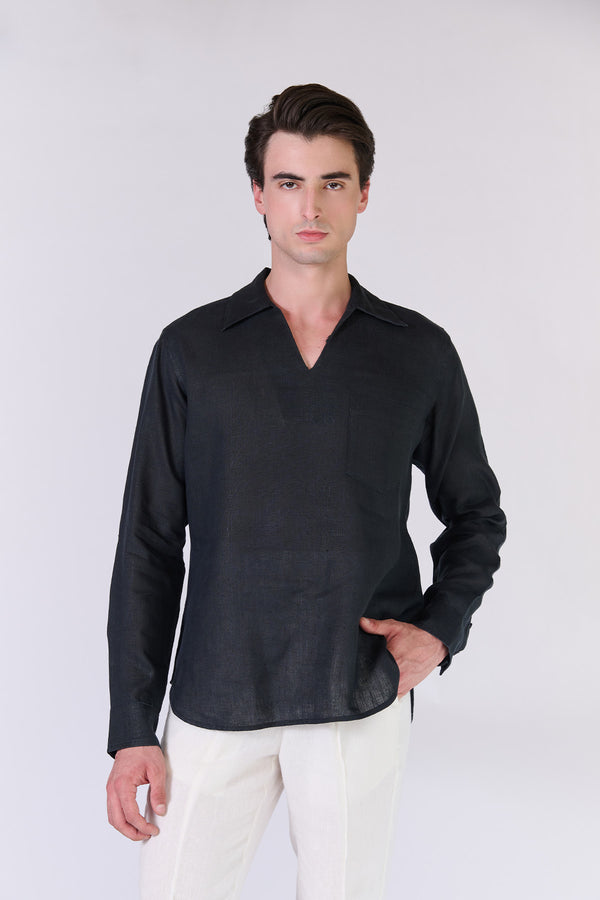
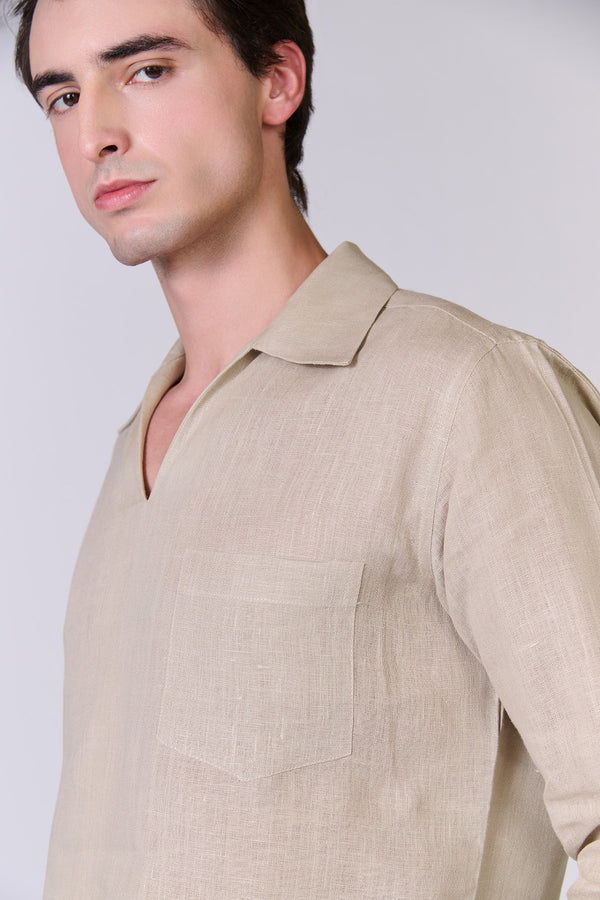
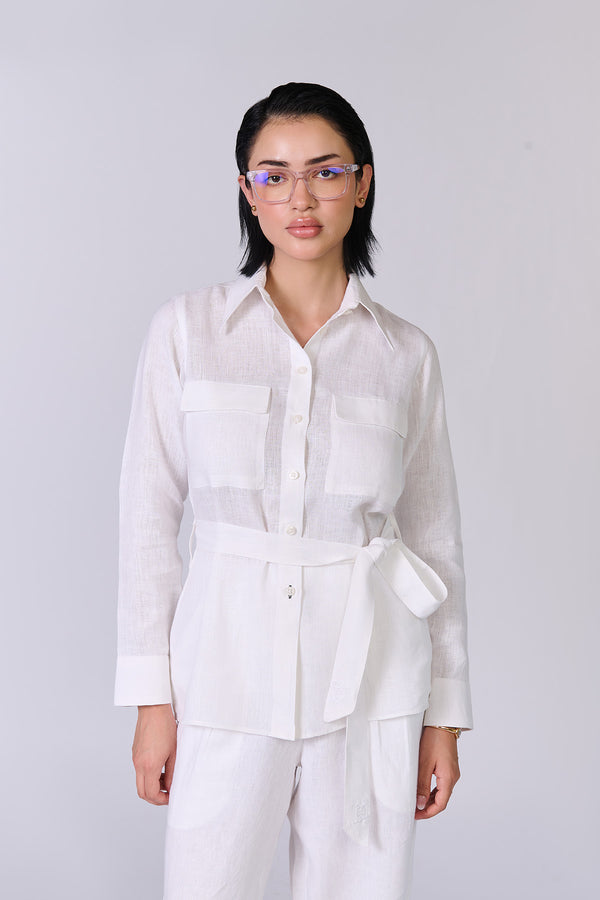
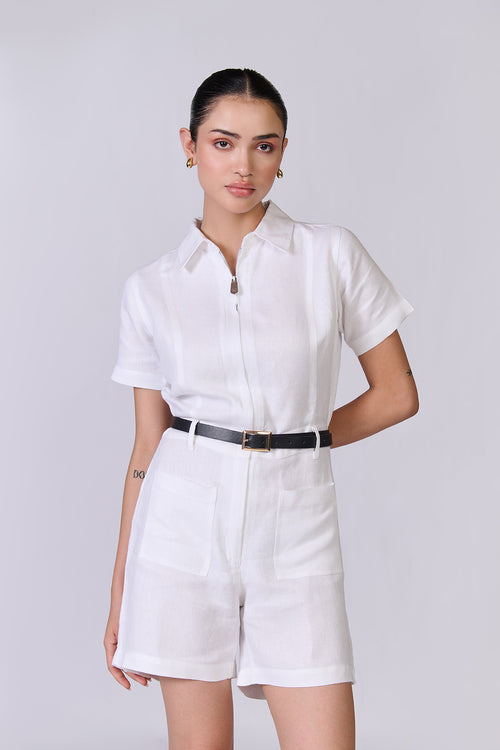
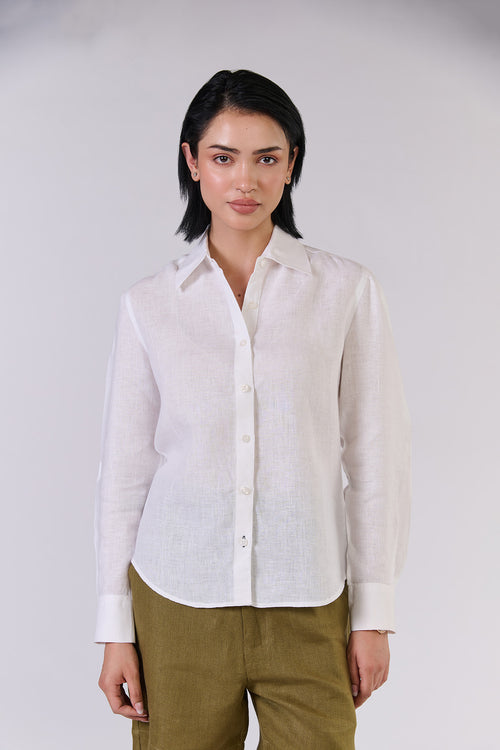
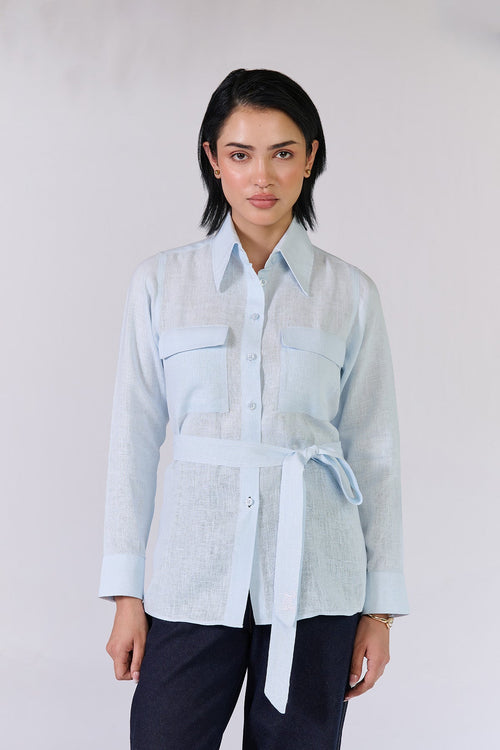
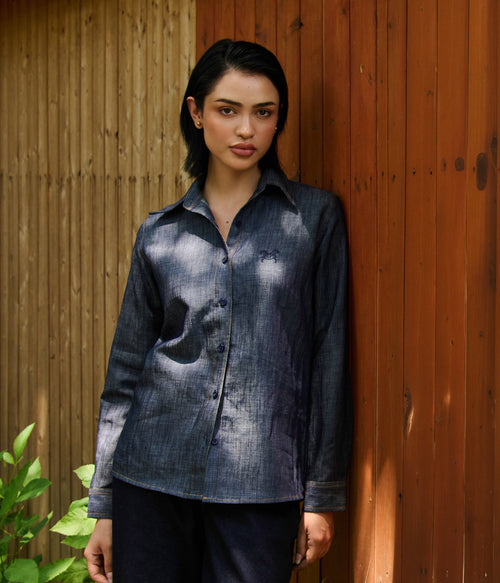
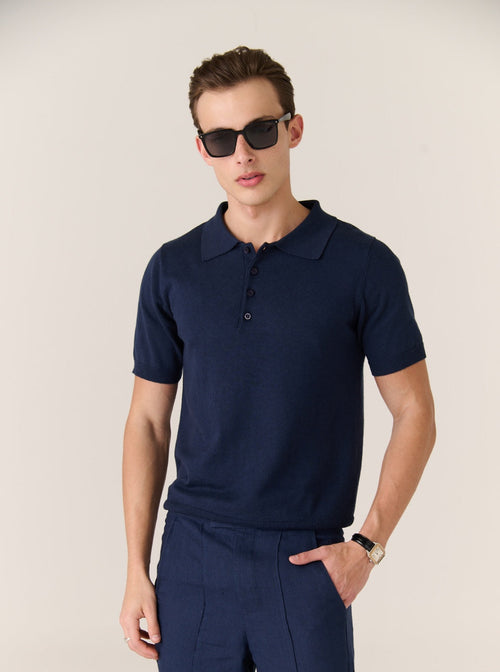
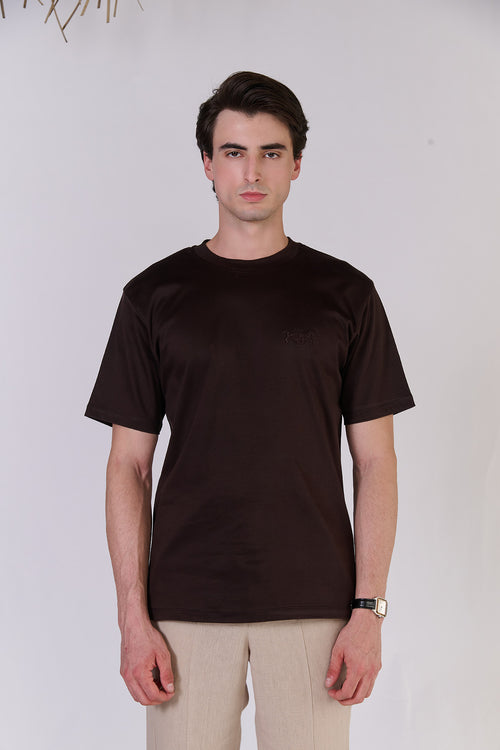
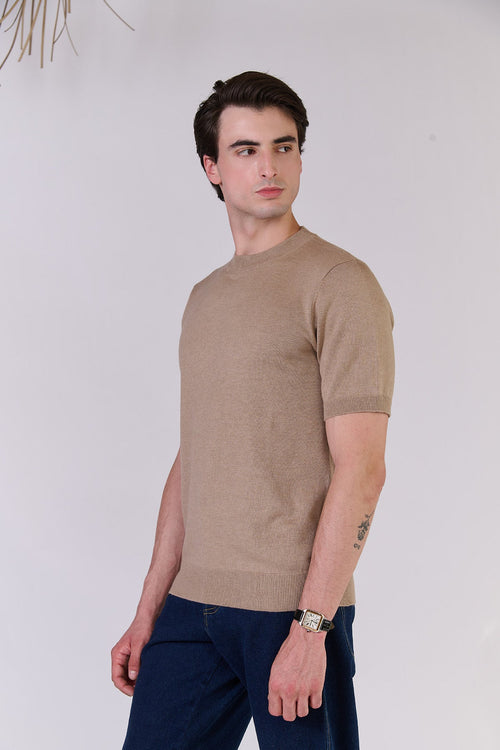
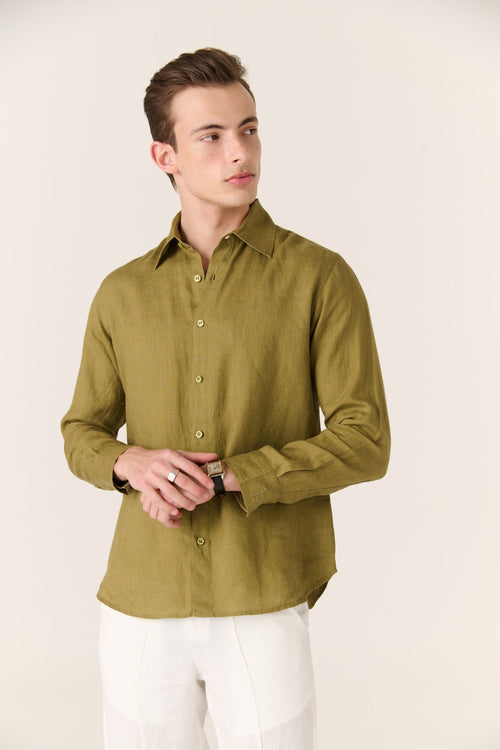
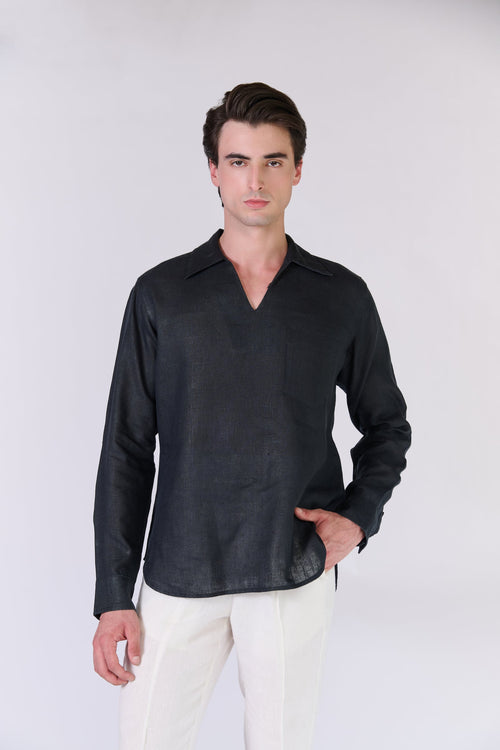
Every colourway below is cut from pure hemp and tailored in India, with a full size run in stock at the time of writing.
Shop the edit


Frequently asked questions
Is hemp really more sustainable than cotton?
At the farm stage, clearly yes: far less water, little to no pesticide and soil that improves rather than depletes. The full picture depends on how the fabric is retted, spun, dyed and finished, so the maker matters as much as the fibre.
Does hemp clothing soften after washing?
It does. Hemp softens noticeably over the first several washes while keeping its strength, which is the opposite of fabrics that soften because they are wearing out.
Is hemp clothing legal to buy and wear in India?
Yes. Hemp apparel is made from industrial hemp fibre and is completely legal to sell, buy and wear.
Is hemp too heavy for Indian summers?
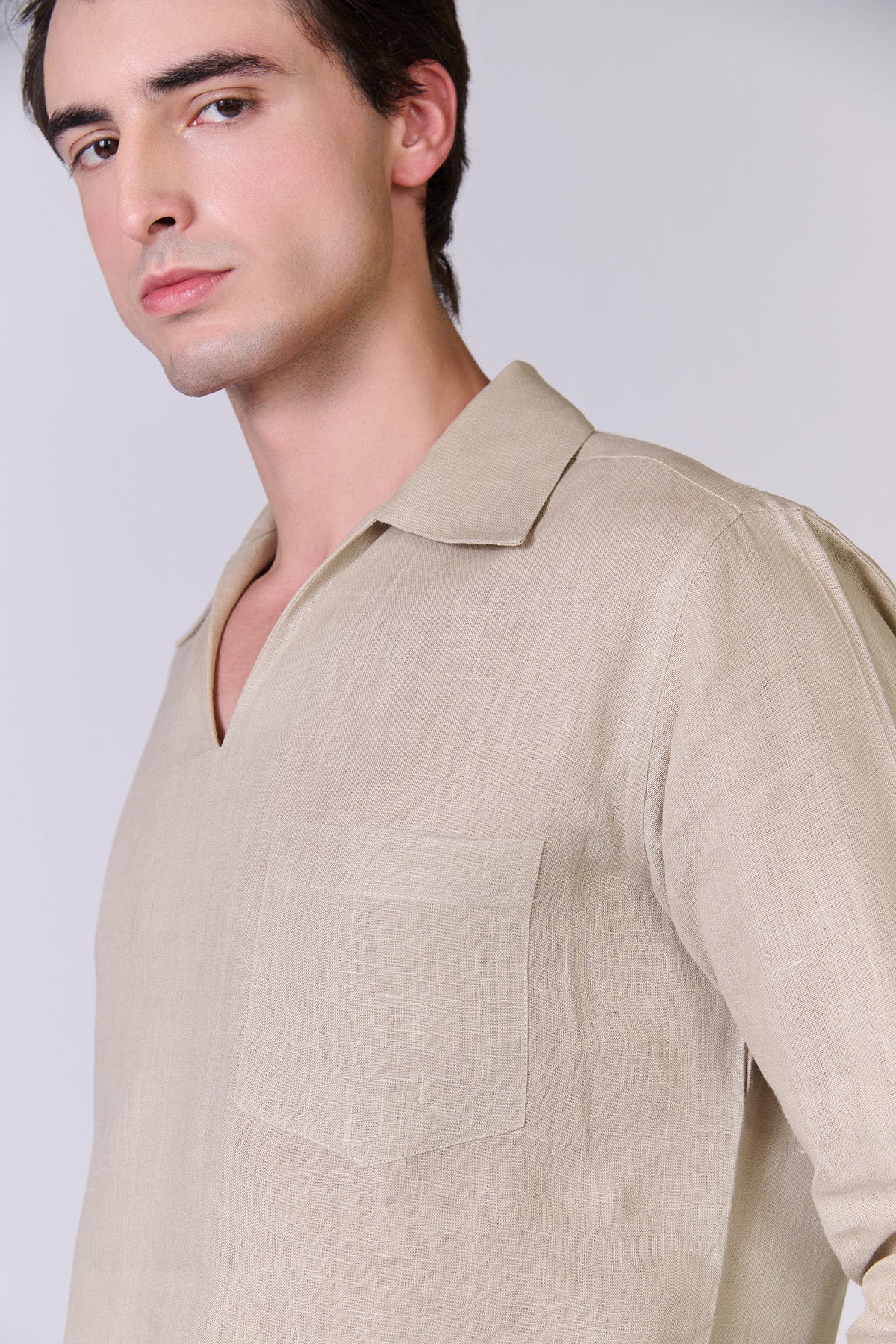
No. Hemp is naturally breathable and moisture-wicking, and relaxed cuts like our V-neck shirt are designed specifically for warm climates.
Hemp is not a miracle fibre, but it is the most convincing sustainability story in everyday clothing — provided the garment is made to last. Browse our hemp collection for men or the full hemp range, read how we choose fabrics on the materials page, or start from the story of Monture to see why the fabric always comes first.