
















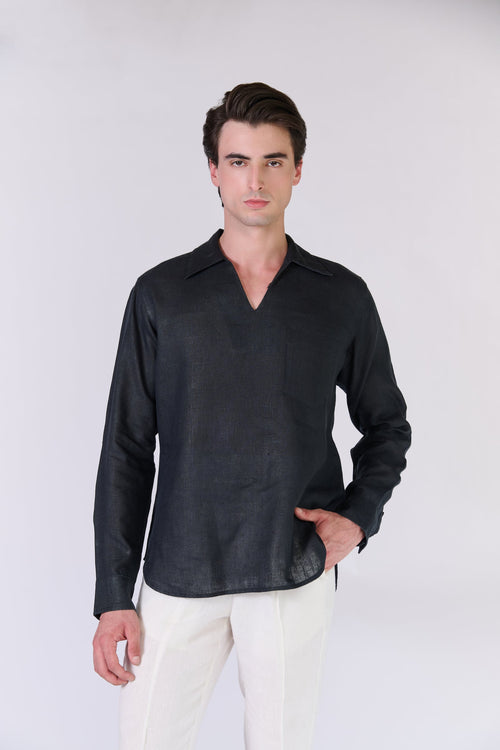






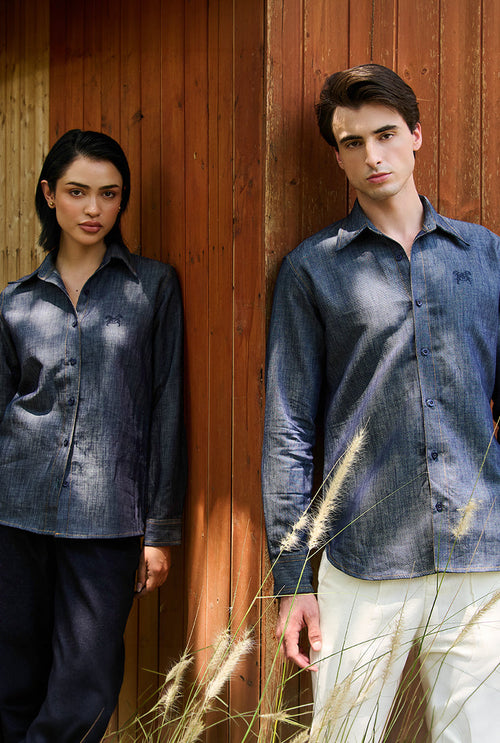
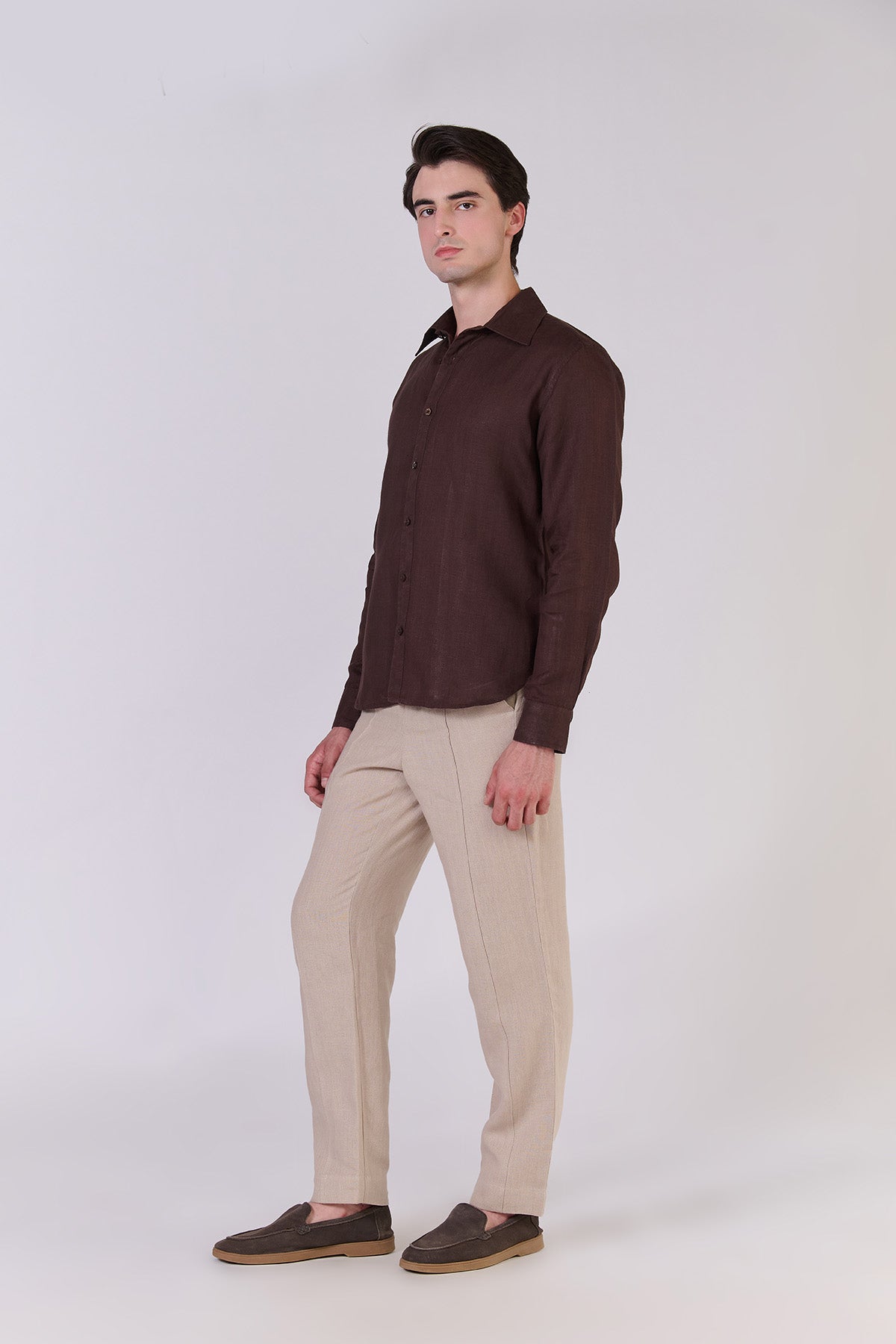
Both linen and cotton absorb sweat well — cotton actually holds more water by weight — but linen feels drier on the skin, and that difference is what matters in Indian summers. Linen wicks moisture out and dries roughly twice as fast, so sweat moves through the fabric instead of sitting against you. This guide compares the two fibres on absorption, drying speed, odour and comfort in humid and dry heat, so you know which to reach for in which conditions.
What Absorption Actually Means
Absorption is only half of staying dry. Cotton fibres absorb more moisture than linen by weight, but they hold it inside the fibre and release it slowly — which is why a cotton t-shirt clings, darkens and stays damp through a Mumbai afternoon. Linen's flax fibres absorb well too, but the hollow core and smooth surface of the fibre let moisture travel outward along it, and the open plain weave gives it a fast escape. You sweat the same amount; the fabric just manages it better. Linen is also naturally hypoallergenic and antibacterial, so the damp environment it briefly creates does less odour damage than the same dampness inside cotton.
The Real Difference: Drying Speed
Quick guide — how each fibre behaves in sweat
Drying speed is where linen wins outright. A damp linen shirt airing in a breezy room is wearable again within an hour or two; a damp cotton shirt can hold its moisture through the same afternoon. That is why linen shirts survive a commute, a meeting and a walk home in one day while cotton settles into the smell you noticed on it by evening. Airflow matters too: the slight stiffness of linen keeps the weave standing off the skin, so air moves across your back and sweat evaporates instead of being trapped.
Humid Heat vs Dry Heat
The two fibres behave differently in India's two summer climates. In dry heat — Delhi, Jaipur, Hyderabad in May — both fabrics work, and cotton's softness is a genuine comfort; a crisp cotton shirt in 40°C air is not a mistake. In humid heat — Mumbai, Chennai, Kolkata, Kochi — the air is already saturated, so evaporation is slow and the fabric that holds the least water wins. Linen's faster drying keeps the garment from ever feeling saturated, which is why the same shirt that feels airy in Delhi feels essential in Mumbai. Cotton in coastal humidity is the combination that turns a good day sticky.
Odour and All-Day Wear
Odour is the practical test most buyers care about. Sweat itself is nearly odourless; the smell comes from bacteria breaking it down, and bacteria thrive in fabric that stays damp. Linen's fast drying gives bacteria less time, and the fibre carries mild antibacterial and hypoallergenic properties besides — the same reason hemp and linen were used for clothing long before deodorant existed. A linen shirt worn through a full working day usually comes home smelling of the day, not of the wearer. A cotton shirt worn through the same day usually does not. Washing after every wear is still the rule for both, but linen forgives a second wear better than cotton does.
What About Blends?
Blends sit between the two. A linen-cotton mix softens linen's stiffness and cuts its creasing while keeping most of its airflow, and it dries faster than pure cotton though slower than pure linen. A cotton-polyester or linen-look poly blend is the combination to avoid in summer — polyester does not absorb water at all, so sweat has nowhere to go except your skin. Read the composition label before buying anything sold as a summer fabric; our guide to the materials of Monture covers how to read them.
Which Should You Buy?
If your summers are humid or you sweat heavily, linen is the clear choice — its drying speed and airflow are doing real work that cotton cannot match. If your days are dry and your priorities are softness and a lower price, good cotton serves well. For most Indian wardrobes the answer is both: cotton for cool mornings and dry months, linen for March to October and every coastal trip. Start with the full linen collection, or compare the two fibres directly in our guide to linen vs cotton.
Linen Pieces Built for Sweat
The pieces below are cut from 100% Belgian-grown linen and tailored in India. For more reading, see our guides to the best linen shirts for men in India and whether linen is good for Indian summers.

Everyday regular-fit
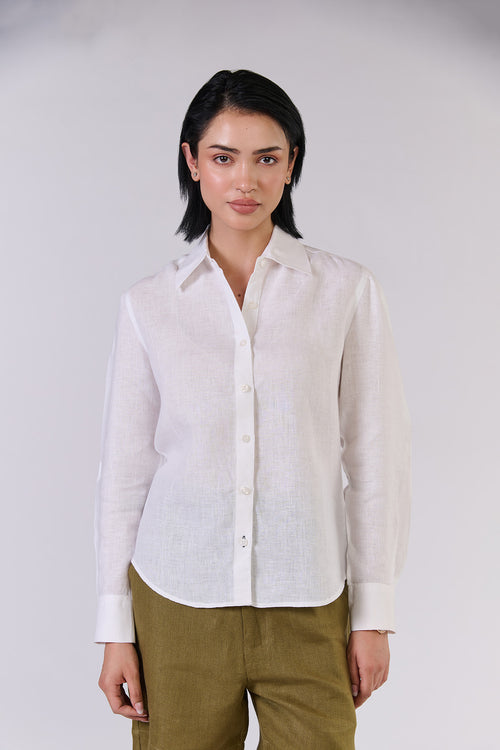
Riviera Linen Shirt, Soft Ivory
100% Belgian-grown linen — long, resilient fibres with natural breathability and distinctive texture. ₹5,950
Shop the shirt →
Light summer tone
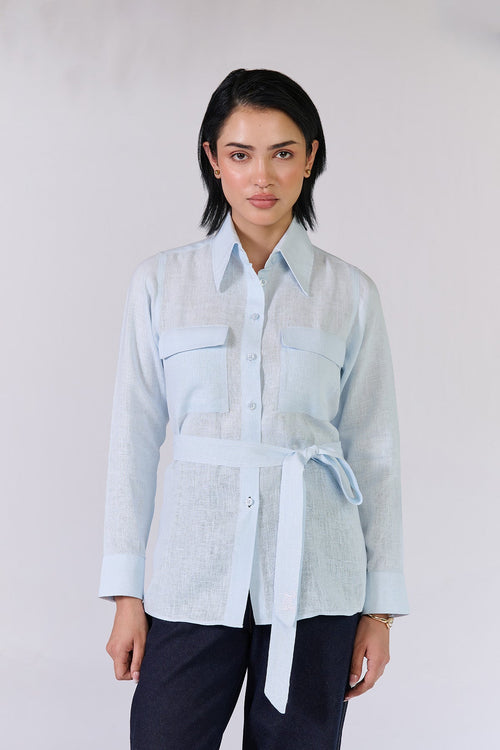
Riviera Linen Shirt, Clear Sky
Belgian linen woven with precision for a shirt that stays light and breathable through peak summer. ₹5,950
Shop the shirt →
Clean drape
Milano Linen Trousers, Soft Ivory
100% Belgian linen in a refined plain weave — clean drape and lightness without weight. ₹8,450
Shop the trousers →Frequently Asked Questions
Which absorbs more sweat, linen or cotton?
Cotton holds slightly more water by weight, but it holds it against you. Linen absorbs well and moves the moisture outward, which is what keeps you feeling dry.
Does linen smell less than cotton?
Usually, yes. Linen dries faster and is naturally antibacterial, so the bacteria that create odour get less time to work. Cotton stays damp longer and holds the smell.
Is cotton better for dry heat?
It works well there — dry air evaporates cotton's moisture quickly, so its slow release matters less. Linen still dries faster, but comfort in dry heat is close.
Are linen blends good for sweating?
A linen-cotton blend is a reasonable middle ground — softer, less creasing, dries faster than cotton. Avoid polyester blends in summer: sweat has nowhere to escape.