














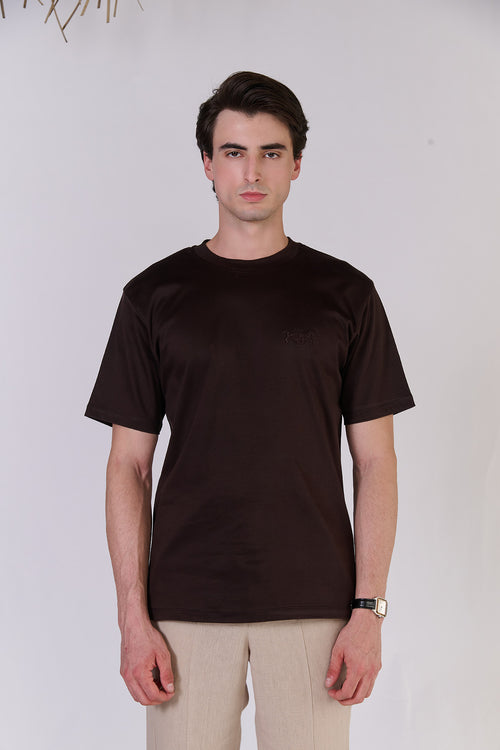
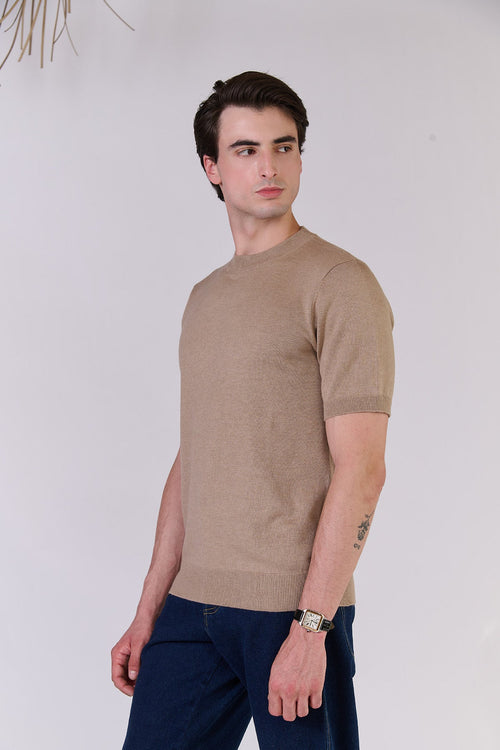

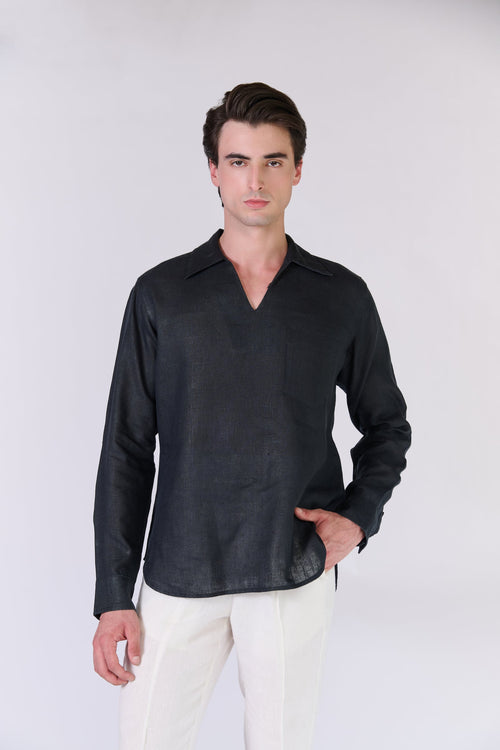






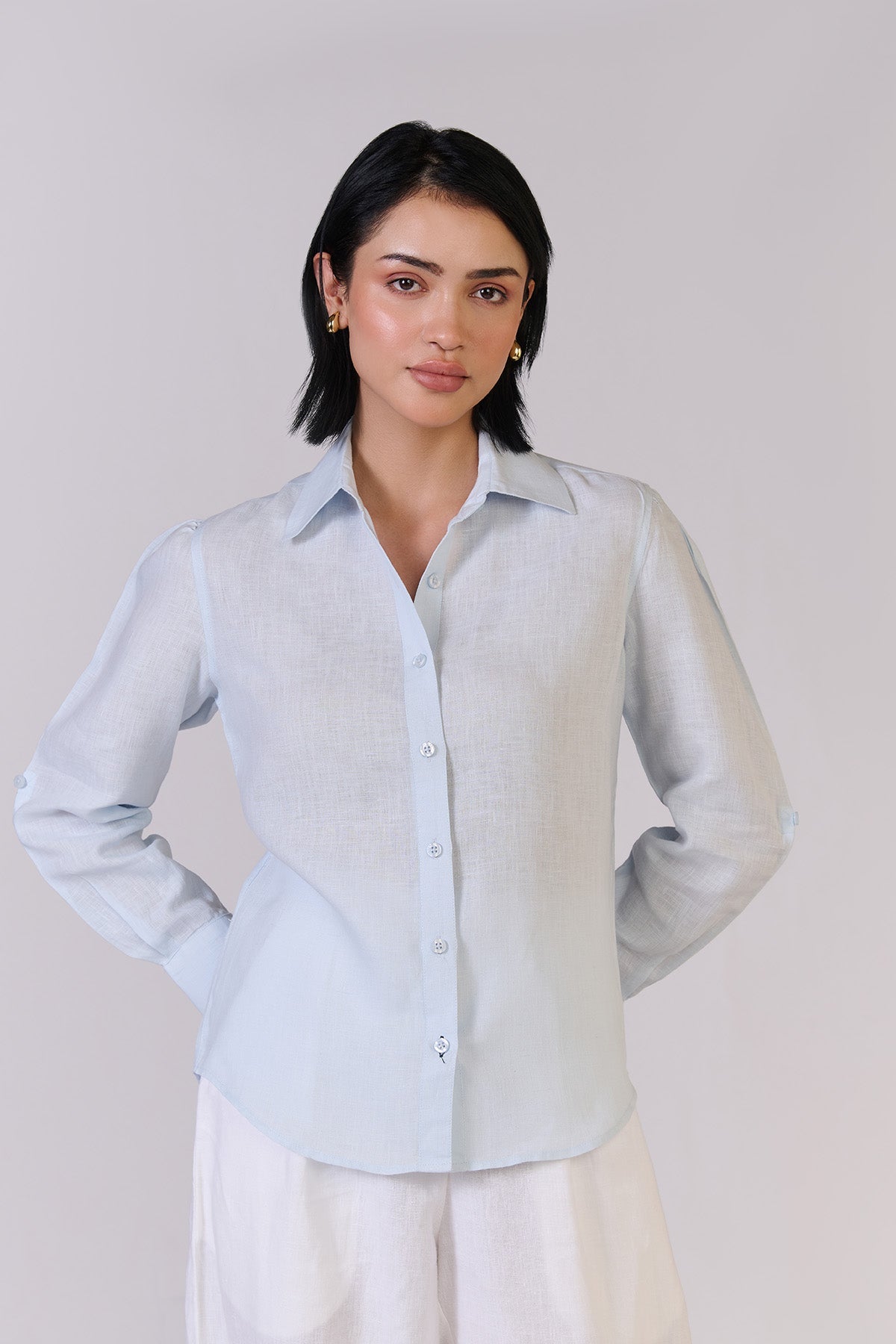
Short answer: yes — linen handles India's monsoon better than most natural fabrics. It breathes in saturated air, dries faster than cotton of the same weight, and stays fresh between washes. The caveats are practical, not fibrous: it needs airflow to dry, mid-tone colours hide splash, and damp storage is the real enemy.
Monsoon dressing is a moisture problem. Rain outside, humidity indoors, and a body that still perspires between showers. Fabrics fail in different ways here: synthetics trap heat against damp skin, cotton holds water for hours, and heavy weaves turn clammy. Linen's open structure manages the humidity better than most — provided the habits around it are right. This guide covers what works, what to avoid, and how to care for linen through the wet months.
How Linen Behaves in Humid Air
Linen comes from flax, a bast fibre with a hollow core and a naturally smooth surface. Two properties matter when the air is saturated. Absorption first: linen takes in a remarkable amount of moisture without feeling wet against the skin, because water moves into the fibre rather than sitting on it. Release second: the same open structure gives that moisture back quickly, so a linen shirt dries in a fraction of the time a dense cotton shirt needs. On a humid August afternoon the difference reads as comfort rather than measurement — the fabric stops clinging long before you reach home.
The honest limit is a real downpour. Any fabric soaks through in proper rain, and wet linen weighs noticeably more and creases sharply. Plan for showers instead of pretending they will not come: carry the shirt you will change into in a dry bag, and never pack a damp linen piece away, even overnight.
Where Linen Struggles in Monsoon
Three limits deserve honesty. Drying: when the air itself is saturated, even fast fabrics struggle, and line-dried linen can stay damp overnight. Splash and grime: light-coloured linen shows monsoon street dirt quickly, and constant washing is hard on any natural fibre. Storage: linen folded away in a closed cupboard through humid weeks can pick up a musty smell or mildew spots, which are far harder to remove than sweat marks.
None of these disqualify the fabric; they change the habits. Wash more often but gentler, dry where air actually moves, and store hung with space between pieces.
Choosing Monsoon-Ready Linen
Weight, weave and colour decide how a piece behaves in humid air. A lighter plain weave moves air best and dries fastest — the construction behind most men's linen shirts and trousers. A twill or herringbone weave feels fuller and drapes better, holding slightly more moisture in exchange. Colour is practical: mid-tones such as warm khaki, heritage olive and coastal navy hide water spots and street splash far better than optic white.
Quick guide
Monsoon linen checklist
Weave
Light plain weave
Fastest to dry
Colour
Warm mid-tones
Hide splash and spots
Fit
Relaxed, untucked
Air moves with you
Storage
Hung, spaced, dry
Mildew starts folded
Wearing Linen Through a Monsoon Day
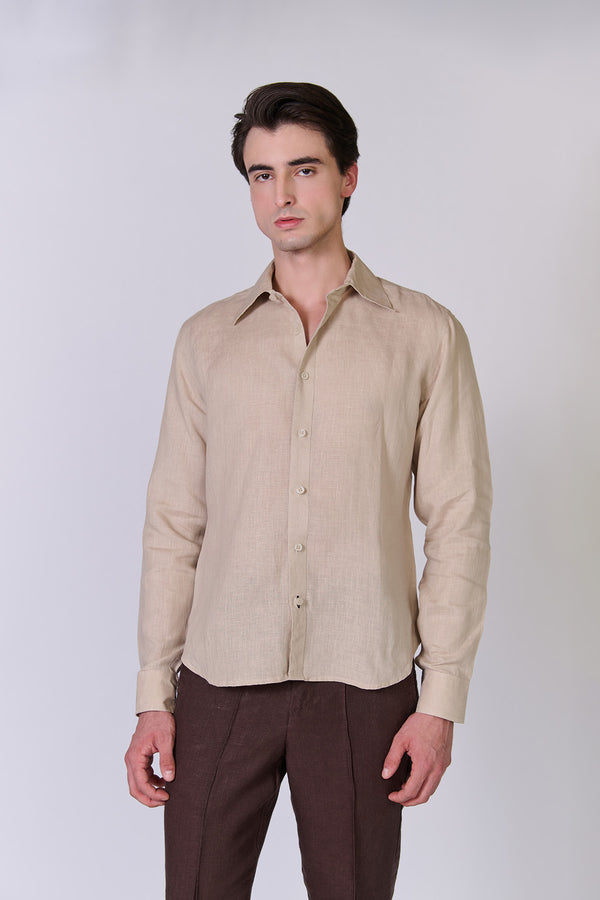
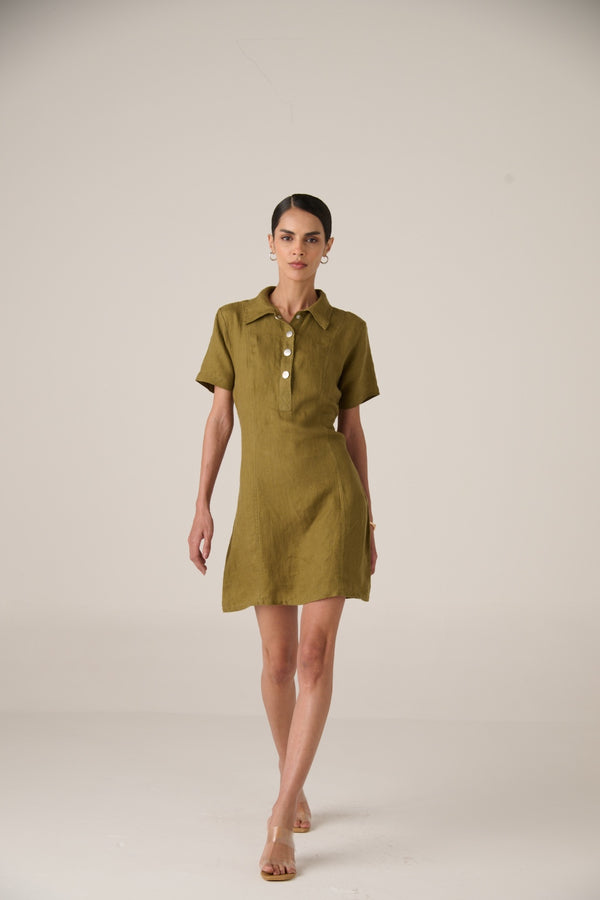
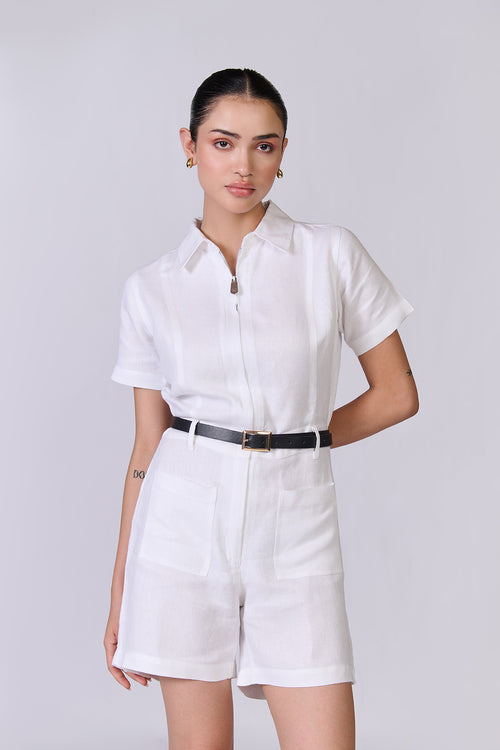
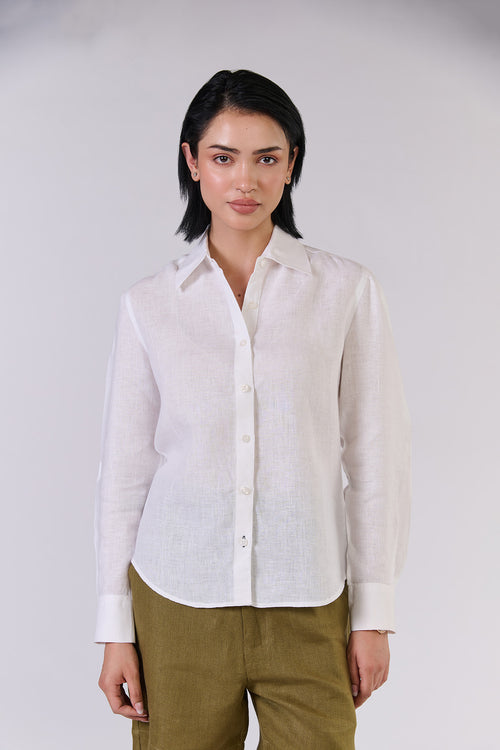
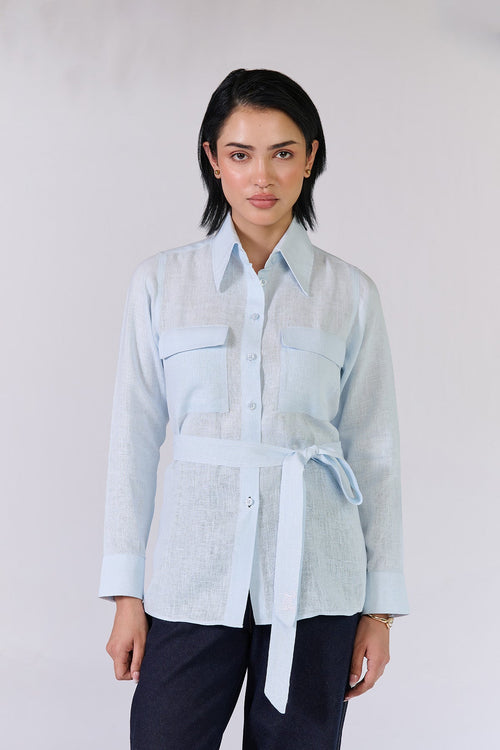
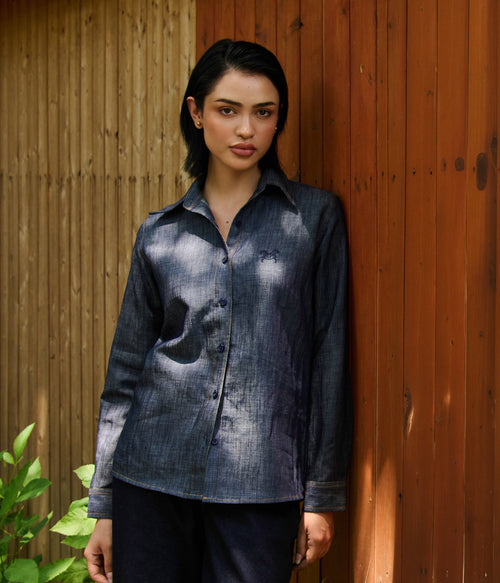
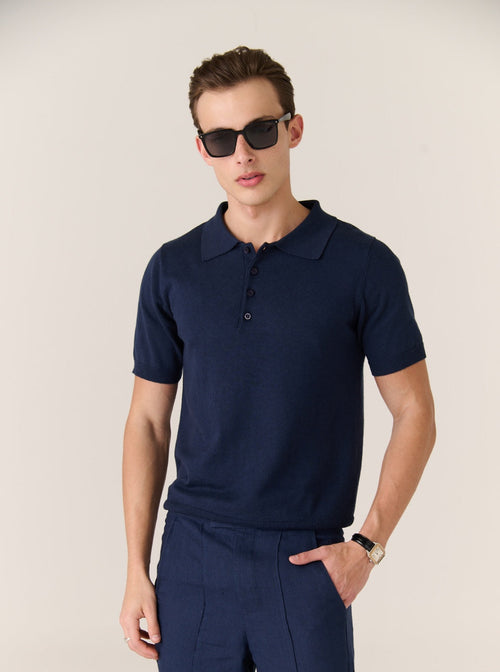
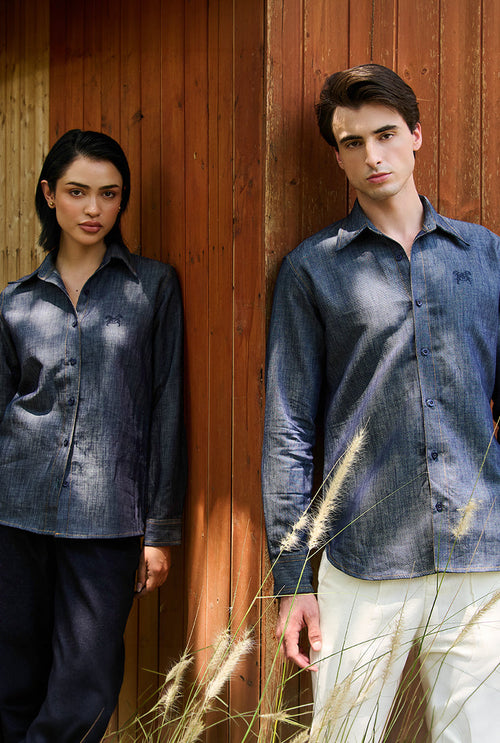
Keep daily outfits simple: a relaxed linen shirt over cotton trousers, sleeves rolled, hem untucked. For office days, linen trousers with a tucked shirt and loafers — linen creases, and the crease reads as ease rather than neglect. For an evening out after the rain, the same shirt worn open over a plain tee adds depth without warmth. Women have the easier side of monsoon dressing: a linen dress with flat sandals handles both the humidity and the puddle-dodging between home and car. Browse the full range in our linen collection or women's linen.

Men · monsoon-ready
Riviera Linen Shirt, Warm Khaki
Belgian linen, tailored in India. ₹5,950
Shop the shirt →
Women · herringbone weave
Herringbone Linen Dress, Heritage Olive
100% European linen, made in India. ₹13,900
Shop the dress →Washing and Drying Linen in Monsoon
Laundry is the real test of a monsoon wardrobe. Wash in cool water on a gentle cycle with a mild detergent, and skip fabric softener — it coats the fibre and slows the quick-dry behaviour that makes linen worth wearing in humid weather. Spin well, then dry where air moves: a cross-ventilated room, a balcony with a breeze, or under a fan. Avoid the tumble dryer; heat is unnecessary and hard on the fibre. If a piece must be ready by morning, iron it slightly damp — the residual moisture finishes the drying and flattens the creases in a single step.
Storage matters as much as washing. Hang shirts with gaps between hangers, leave cupboard doors open for an hour on a dry afternoon, and keep silica or neem sachets on the shelf. Any piece that comes home soaked should dry completely before it returns to the hanger — damp-then-stored is how mildew starts.
FAQ
Does linen smell in humid weather?
Less than most fabrics. Linen resists bacterial growth naturally, so it stays fresher between washes; the real risk is damp storage, not the fibre itself.
Is linen or cotton better for the monsoon?
Linen, for humid weeks. It absorbs and releases moisture faster, so it dries quicker and feels less clammy; cotton wins only on day-one softness.
Can linen clothes be machine washed?
Yes, on a gentle cycle in cool water. Check the garment's care label first, use mild detergent and skip fabric softener.
How do I dry linen quickly in monsoon?
Airflow, not heat: spin well, then dry under a fan or in a cross-ventilated room. Iron slightly damp if you need it ready sooner.
One Last Thing
Monsoon asks one thing of a wardrobe: fabrics that forgive moisture. Linen forgives more than most — wear it loose, dry it with moving air, and store it bone-dry. For a deeper comparison with its closest sibling, read Does Linen Absorb Sweat Better Than Cotton?, and for the creases humid weeks bring, see How to Remove Wrinkles From Linen Without Ironing? To see why fabric comes first for us, read about the materials of Monture.