














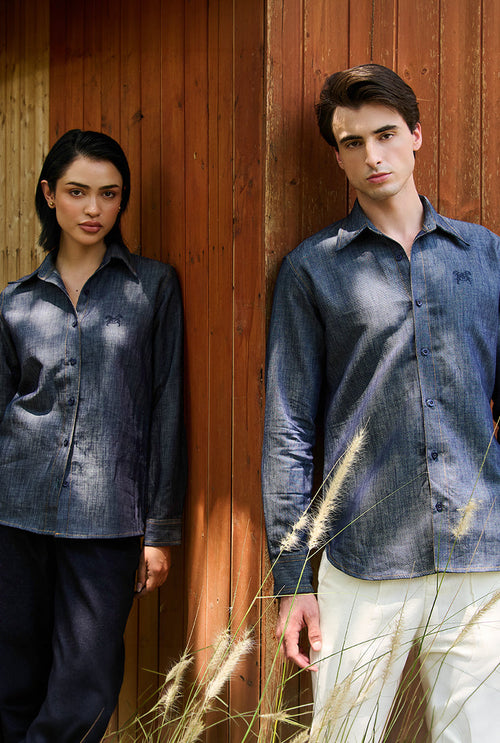
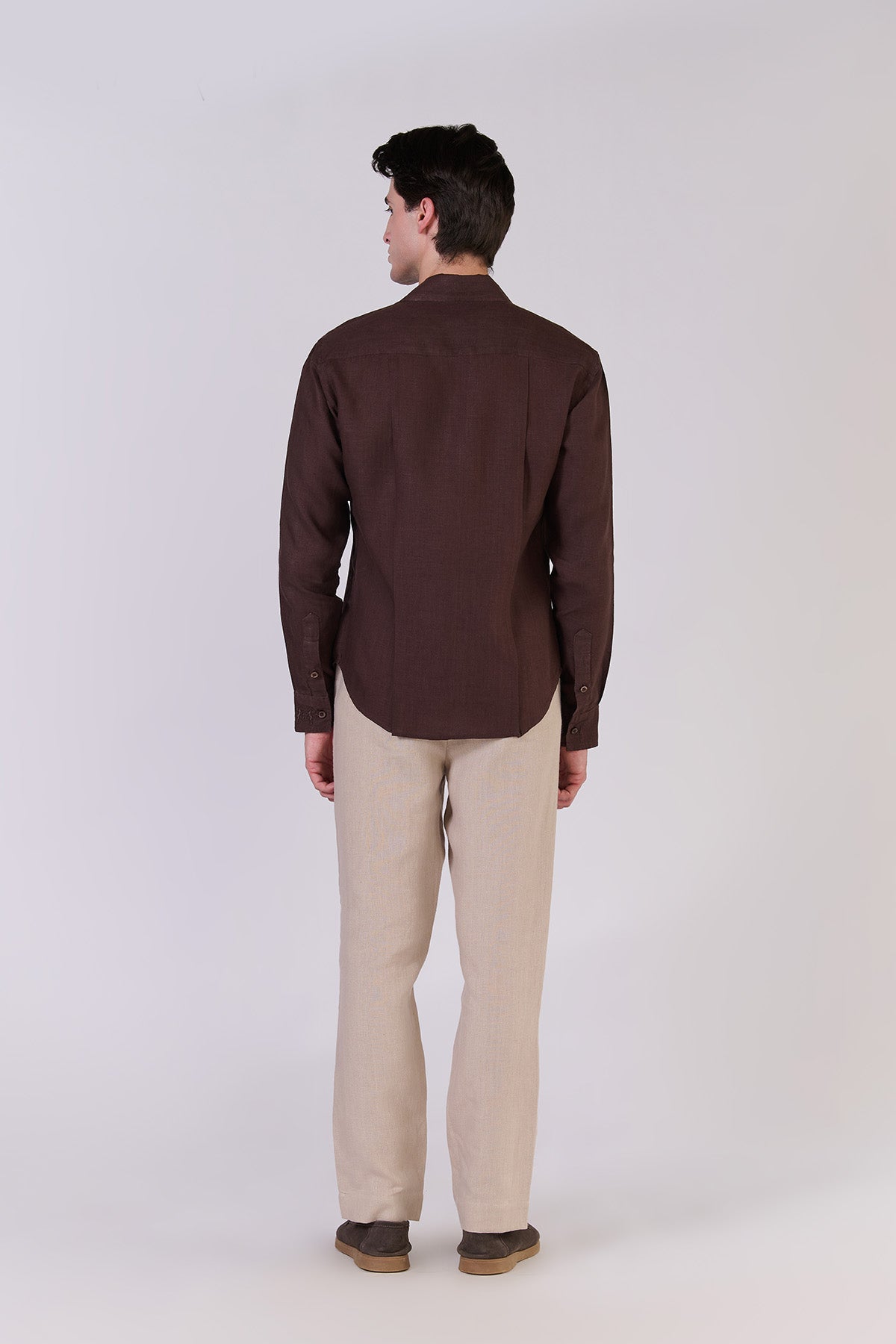
New linen rarely arrives soft. A genuine pure-linen shirt or trouser is crisp, almost firm, in the first weeks — and that firmness is why many shoppers drift back to blends. The honest answer to how long it takes: linen softens noticeably after three to five washes, and reaches its best, most worn-in state after roughly a season of regular wear and washing. This guide explains what softening actually is, what the real timeline looks like, and the habits that speed it up without shortening the garment's life.
What Softening Actually Is
Linen is spun from flax, and flax fibres carry a natural binding agent between them — pectin, along with the residues of retting. In a new garment those bindings are at their firmest, which is why fresh linen feels starchy and holds sharp creases. Every wash cycle, every wear cycle and every press works moisture and flex through the fibre bundle. Over time the binding loosens, the individual flax fibres separate slightly, and the weave relaxes. Nothing is added and nothing is removed; the fabric simply becomes what repeated use turns it into. That is why a washed-in linen shirt feels entirely different from the one you bought — same garment, softened weave.
The Realistic Timeline
Softening is not a single moment but a curve. Here is what pure linen typically does under regular wear and weekly washing through an Indian summer.
Quick guide
How fast linen softens
Read the stages honestly. One wash barely moves the needle — the sizing starch a mill applies is gone, but the fibre bindings are still new. By three to five washes, most people notice the shirt drapes rather than stands, and the collar sits easier. By ten to fifteen, the fabric has a lived-in softness that no blend imitates. And after a full season of wear, linen reaches the state enthusiasts chase: soft, slightly creased in a way that reads as character, and still breathable.
What Speeds Softening Up
Softening is accelerated by mechanical action and warmth — the same forces that age the fabric gently over years. Wash linen more often rather than less; each cycle helps. Use warm rather than cold water where the care label allows, around 30°C. Tumble on low heat briefly if the label permits, then air-dry the rest of the way, and let the fabric move while it dries. Wearing the garment does as much as washing — body heat and movement work the fibres directly. A linen shirt worn weekly softens roughly twice as fast as one kept for special occasions.
What Not to Do
The instinct for shortcuts is exactly where linen care goes wrong. Fabric softener coats the flax fibre in a waxy layer that feels silky on day one and dulls the fabric's breathability — the very property you bought linen for. Bleach weakens flax faster than any wash cycle. A hot tumble dryer for a full cycle beats the fibre into softness at the cost of years. And aggressive wringing or twisting creases the weave permanently. Gentle, repeated action is the entire secret; there is no chemical that produces real softness on pure linen without a trade.
Linen vs Blends on Softness
This is where the trade-off shows. A cotton-linen blend arrives softer on day one because cotton knit is naturally pliable, and a viscose blend can feel silky straight out of the bag. But those fabrics do not have the same trajectory: they are softest when new and stay roughly the same, or soften slightly at best. Pure linen starts firmest and finishes softest. If you buy linen expecting instant comfort, you will be disappointed in week one and delighted in month three. If you buy blends, you trade the start for the ceiling. See how we compare the two in Linen vs Cotton: What We Reach For When It's Hot.
When It Makes Sense to Buy Softness Now
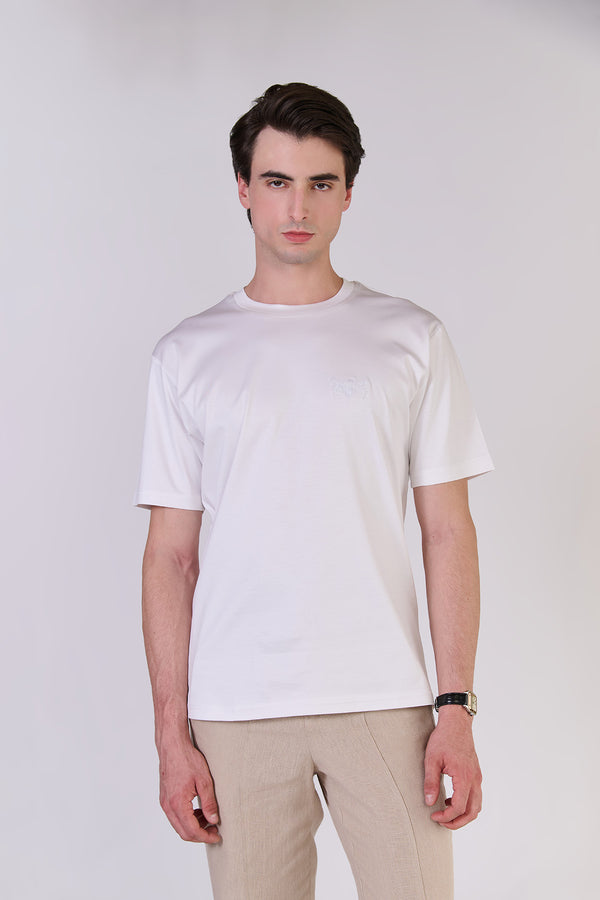
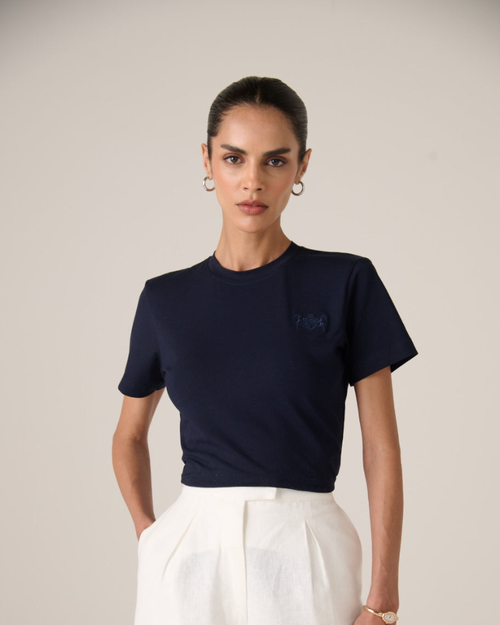
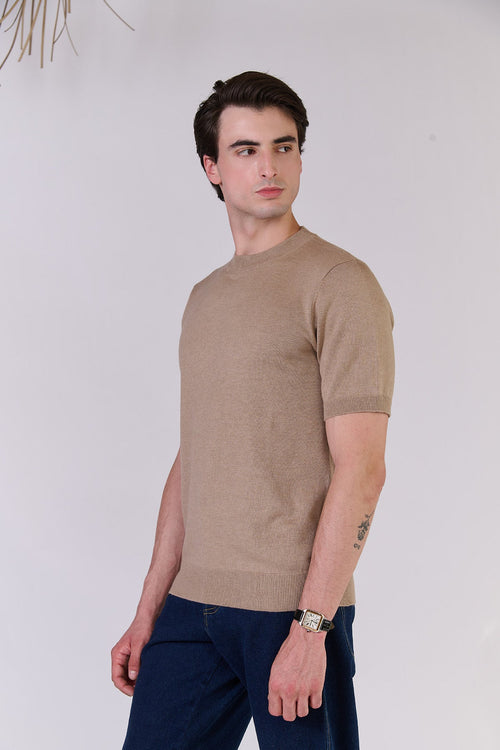
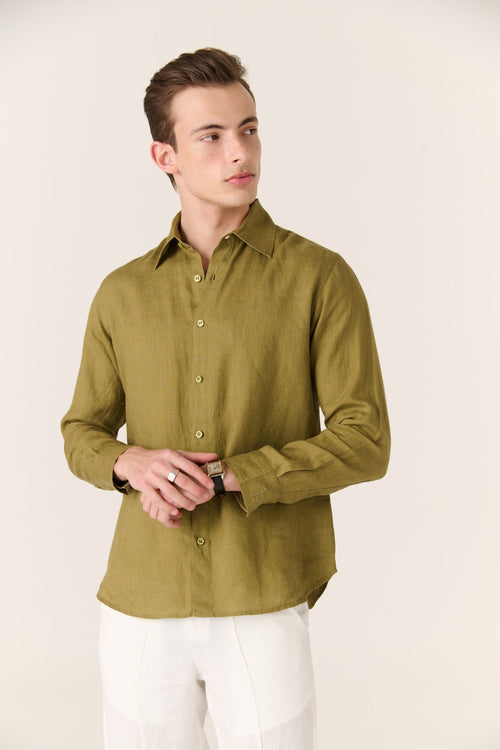
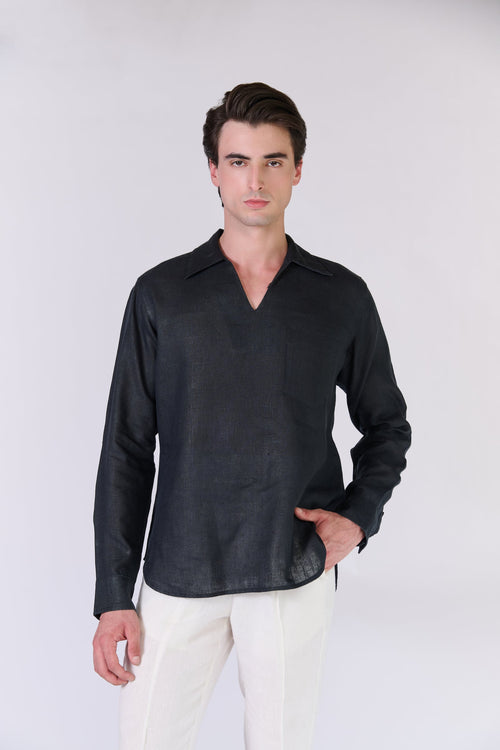
Not every wardrobe entry point has to be a crisp shirt. A linen tee or a washed hemp shirt starts closer to the worn-in state, because the knit or weave is built for softness from the start. If you want linen's breathability today without the breaking-in curve, start with a tee — the men's linen range and women's linen range both carry lighter pieces alongside the shirts. And if you are sizing before the curve, check the men's linen shirt size guide or the women's equivalent — softened linen drapes closer to the body, so fitting the crisp state leaves room for that relaxation.
Shop the Edit
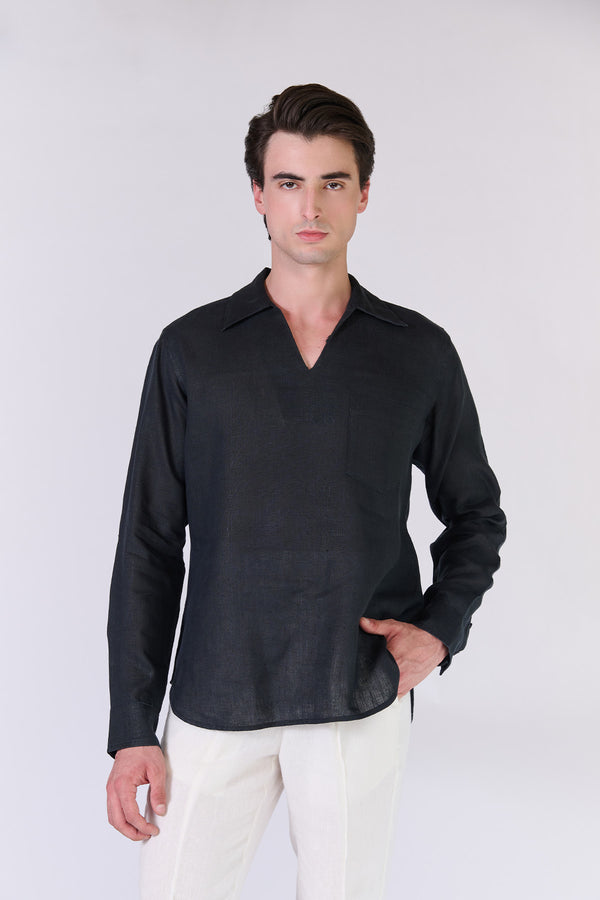
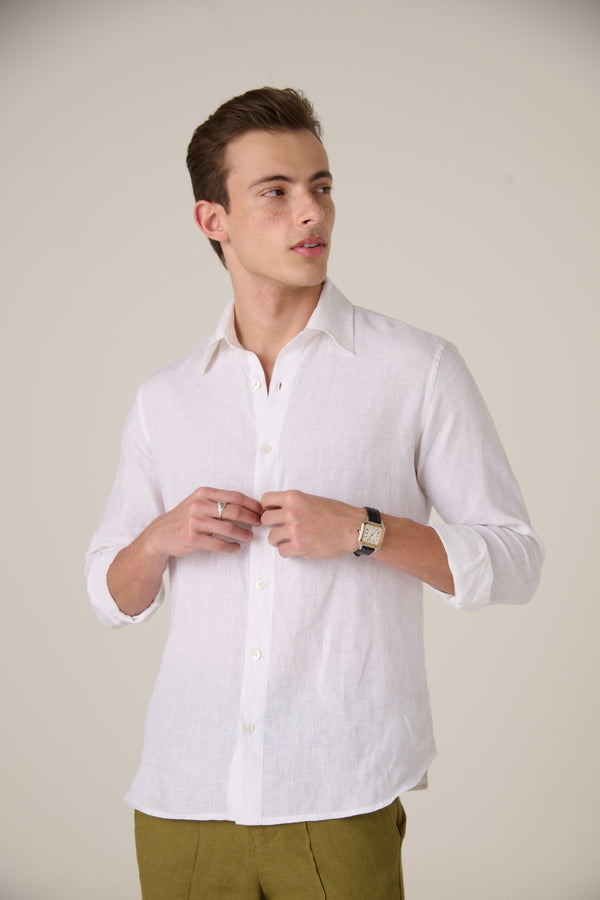
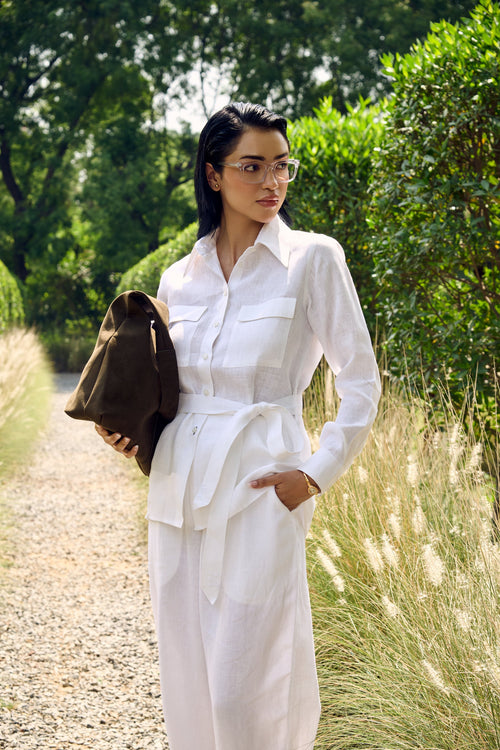
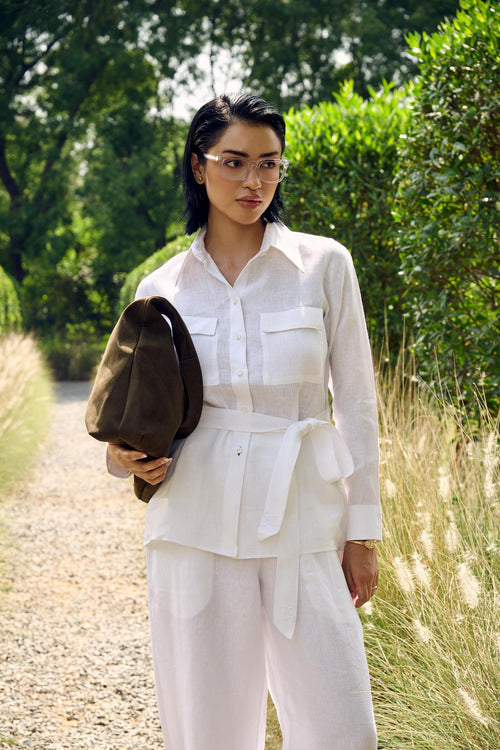
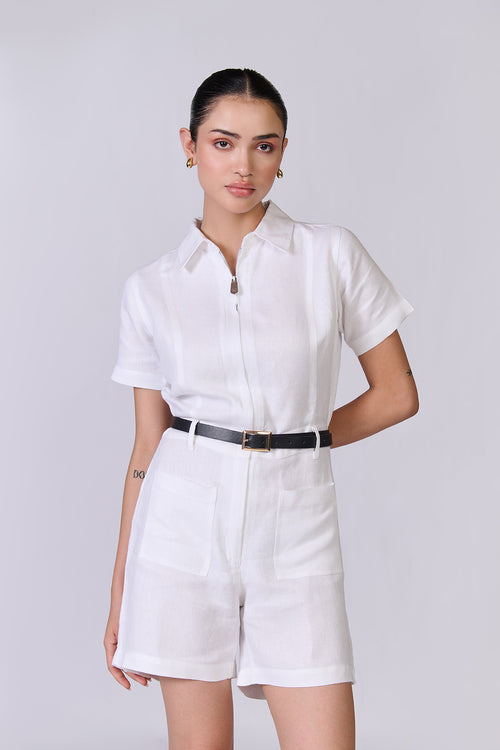
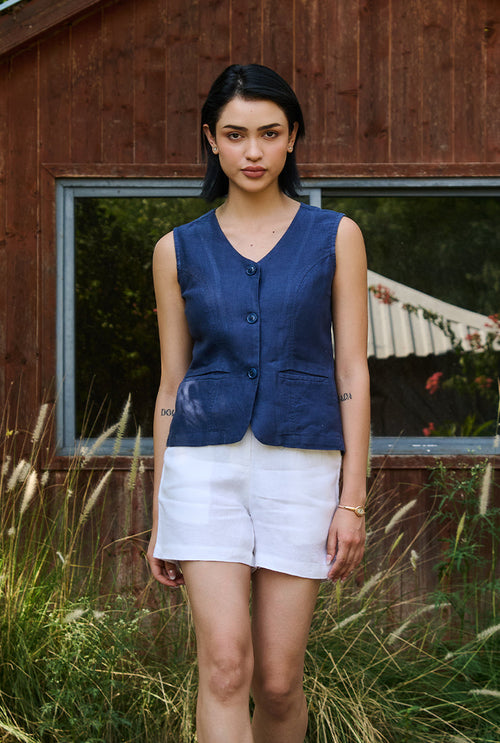
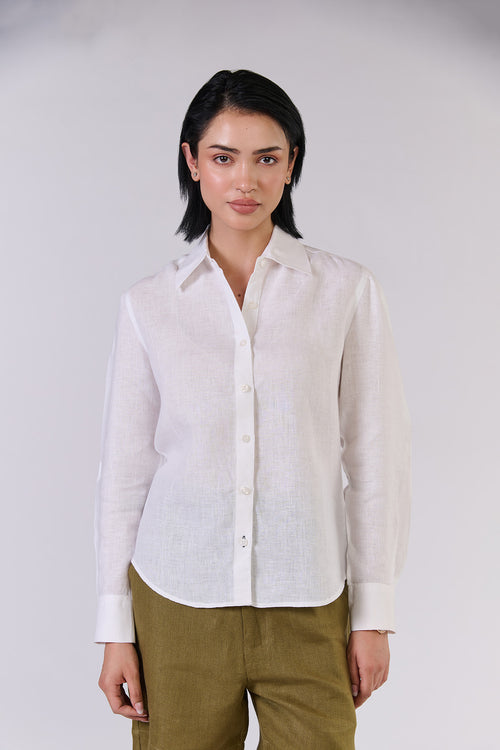
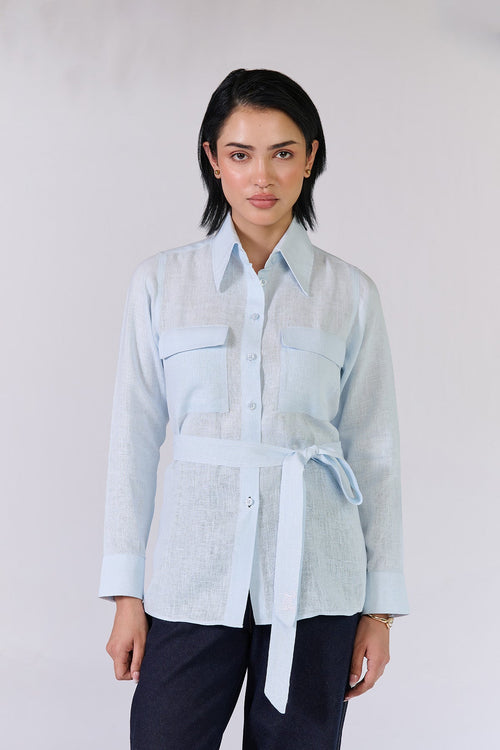
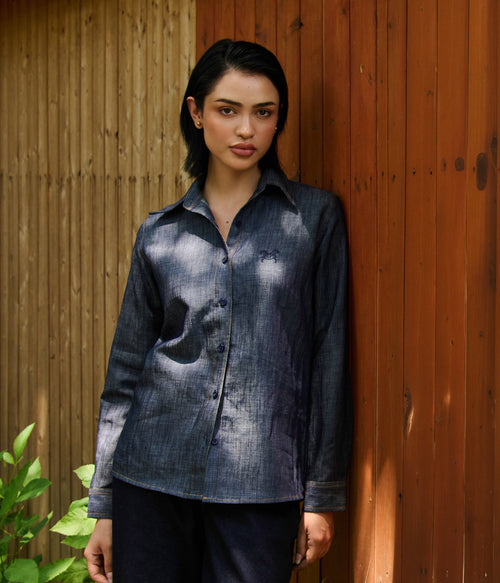
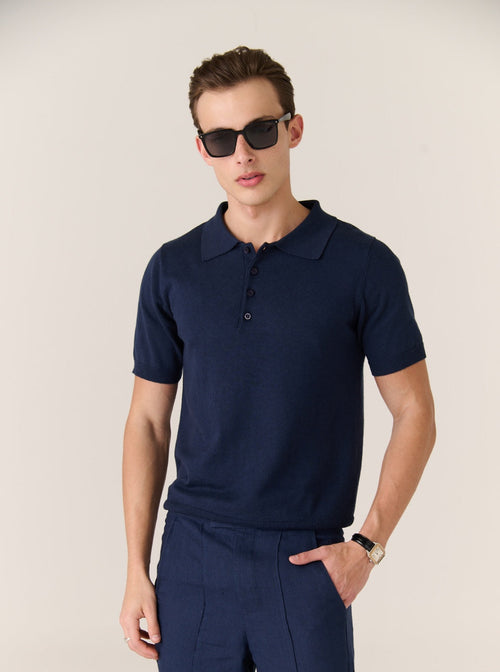
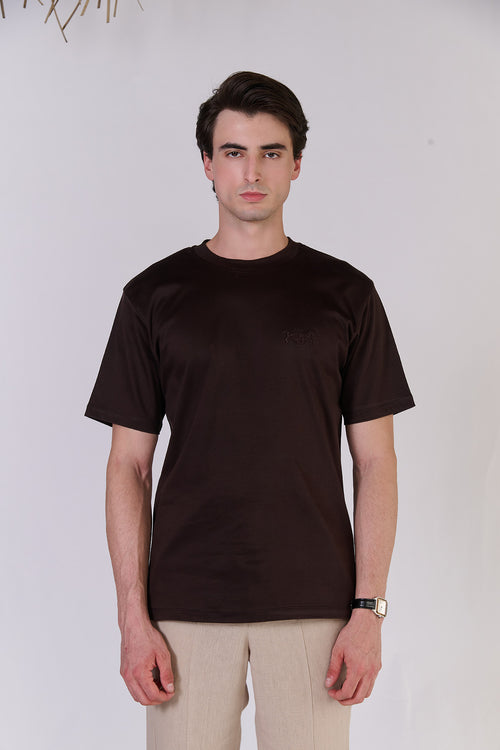
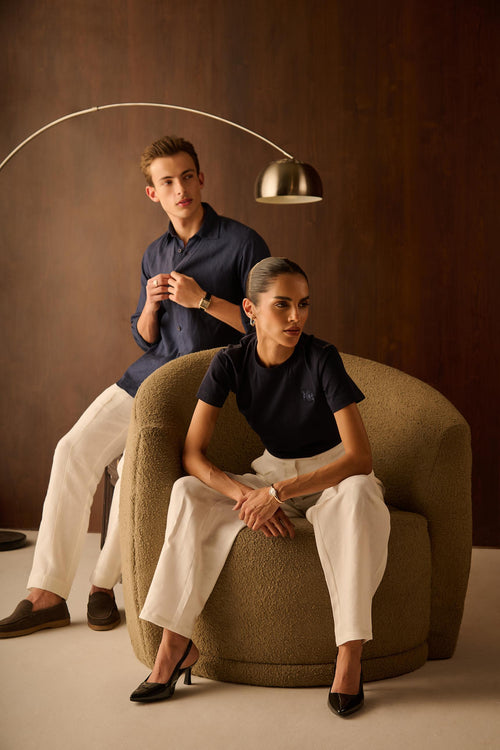
Every piece below is cut from 100% Belgian-grown linen or pure hemp and tailored in India, with every size in stock in the colourway shown.
Shop the edit


Frequently Asked Questions
Does linen soften after one wash?
Slightly — the mill sizing washes out, but the real softening takes three to five washes to become noticeable.
Should I use fabric softener on linen?
No. It coats the flax fibre and reduces breathability — the property you bought linen for in the first place.
How do I speed up linen softening?
Wash more often in warm water where the label allows, tumble briefly on low heat, and wear the garment — movement softens the weave as much as washing.
Does linen get softer with age?
Yes — pure linen is one of the few fabrics that improves. A full season of regular wear produces the softest state most owners ever see.
Softening is patience, not effort. Buy the linen you like, wear it through the season, and let the fabric do the rest. To see why fabric comes first for us, read about the materials of Monture.